
Septic Repair
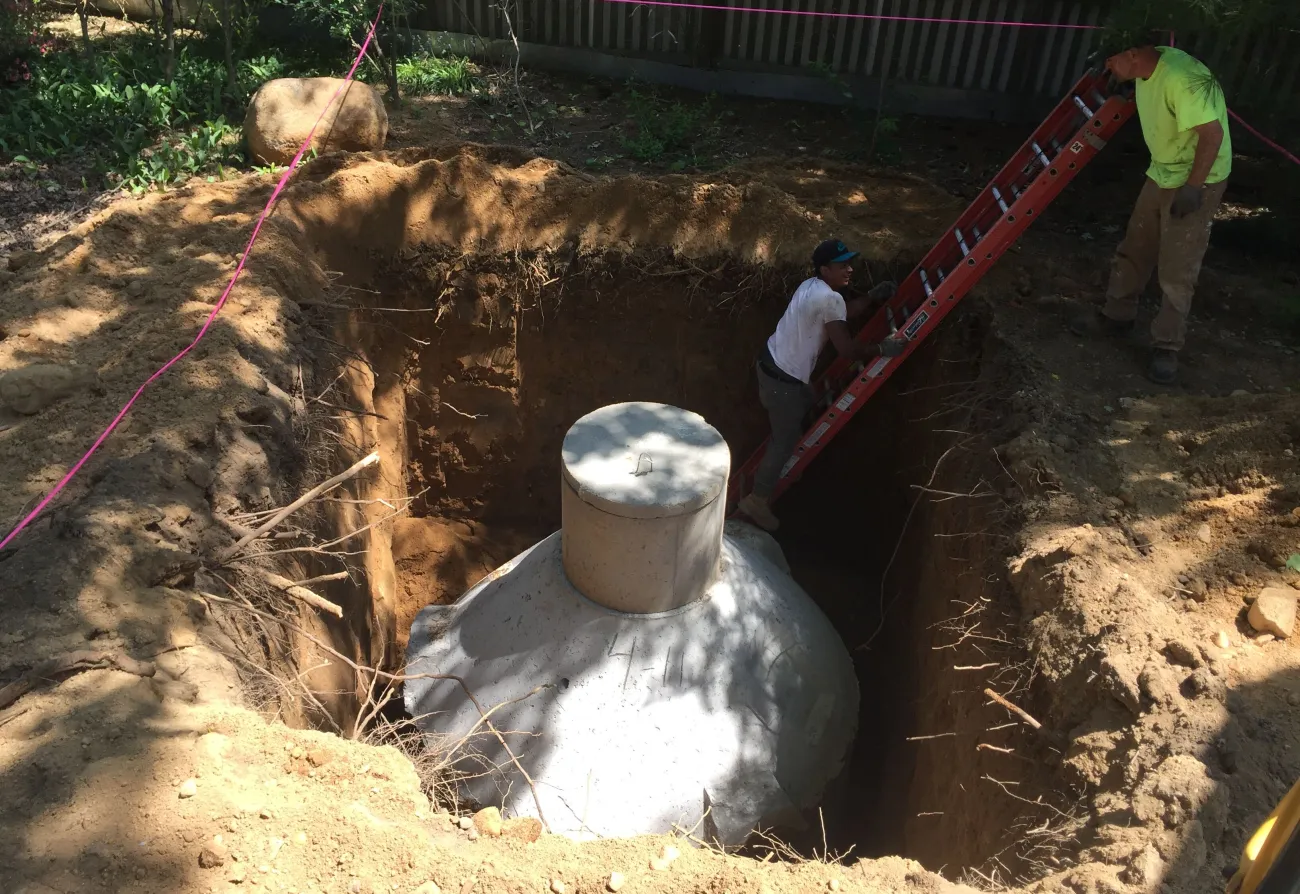
Backups, wet ground over the drainfield and sewage odors mean a part of the system has failed. We dig it up, find the cause and repair or replace what quit working.
Learn More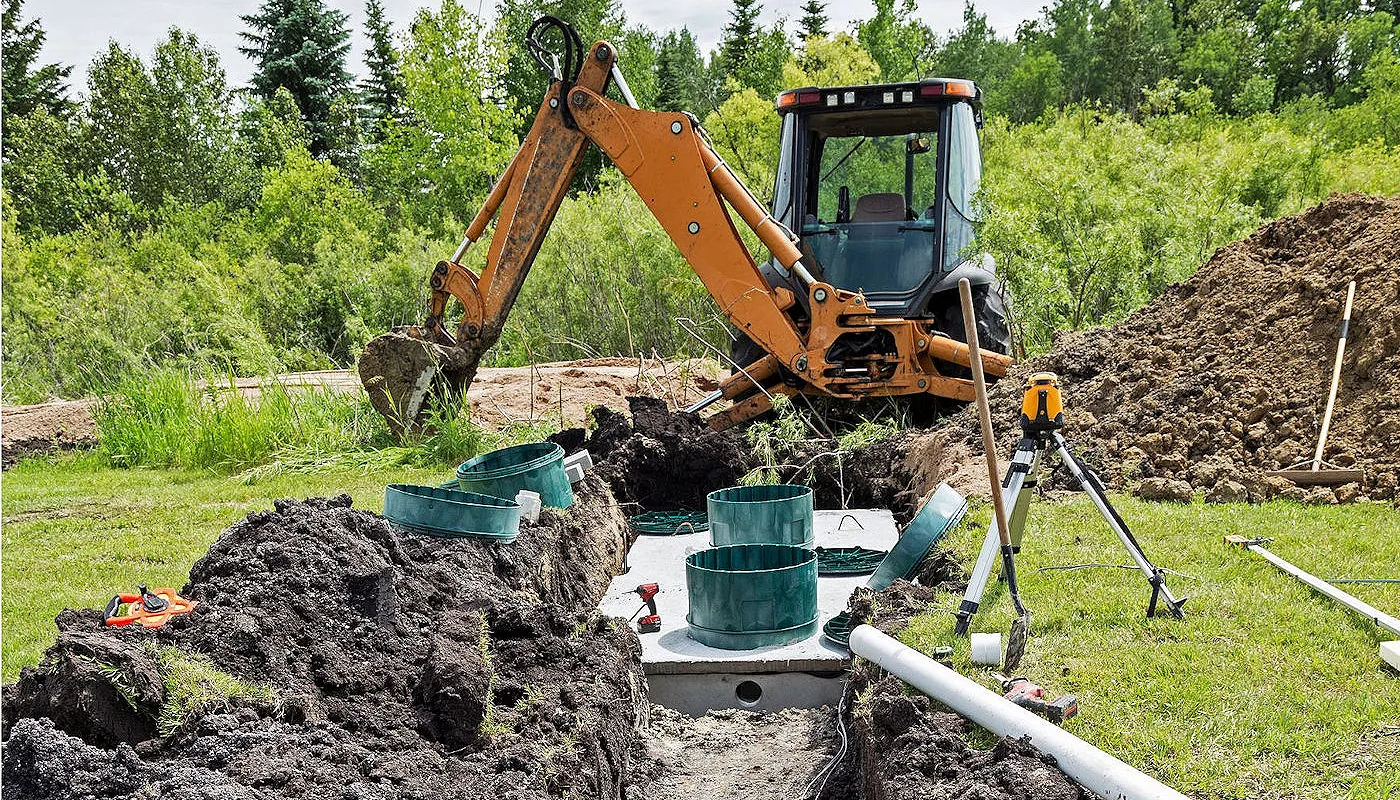
Septic system replacement is the job when the whole system is done. The absorption area has quit taking water, and the tank is old or has failed. The new system goes in under a new sewage permit, built to an approved design. When only one part has failed, septic system repair is the place to start.
Milford Borough and Milford Township have no central sewer, so homes there run on septic. A 2021 sewage plan for the area counted about 2,115 homes on on-lot systems around Milford, Matamoras and Westfall. We replace septic systems for homes and small commercial properties, and we are licensed and insured, PA HIC #PA225040. A first system on a vacant lot falls under new septic system installation.
Tell us about the job. We will get right back to you.
Replacement comes up when the absorption area has quit. Over the years the soil under the field can clog and stop taking water. Then wastewater has nowhere to go but up. The EPA's warning signs include standing water or damp spots over the drain field, and sewage backing up inside.
Penn State Extension calls the drain field the most expensive and difficult part of the system to correct or replace. That is why the other parts get checked first: the tank, the distribution box and the lines. When the field has clogged and the tank is old or failed too, the whole system gets replaced.
The 2021 plan says many systems in Milford Borough and Milford Township predate the 1969 sewer system construction rules. It found potential, suspected or confirmed malfunctions in 64 percent of the on-lot systems inspected in Milford Borough. Across its whole study area, the confirmed malfunction rate was 5.7 percent.
In Pennsylvania, replacing a treatment tank or a soil absorption area takes an on-lot sewage permit. It is issued only through a certified sewage enforcement officer. Penn State Extension tells homeowners to reach that officer through their township or borough. The design and the permit go through the officer, with a soil scientist or engineer where one is required.
The officer reads the soil before anything is designed, and we dig the test pits for that visit. Each pit goes down to the top of the limiting zone, or 7 feet at most. That zone is rock, a seasonal high water table or soil so slow it holds water back. The pits sit within 10 feet of the proposed absorption area.
Percolation testing uses six or more separate test holes, and our perc test guide walks through it. Where the limiting zone sits less than 60 inches down, Pennsylvania requires an elevated sand mound. Where the soil runs deeper, a conventional in-ground system may fit. Mounds are common around Milford, and our page on sand mound septic systems shows how one is built.
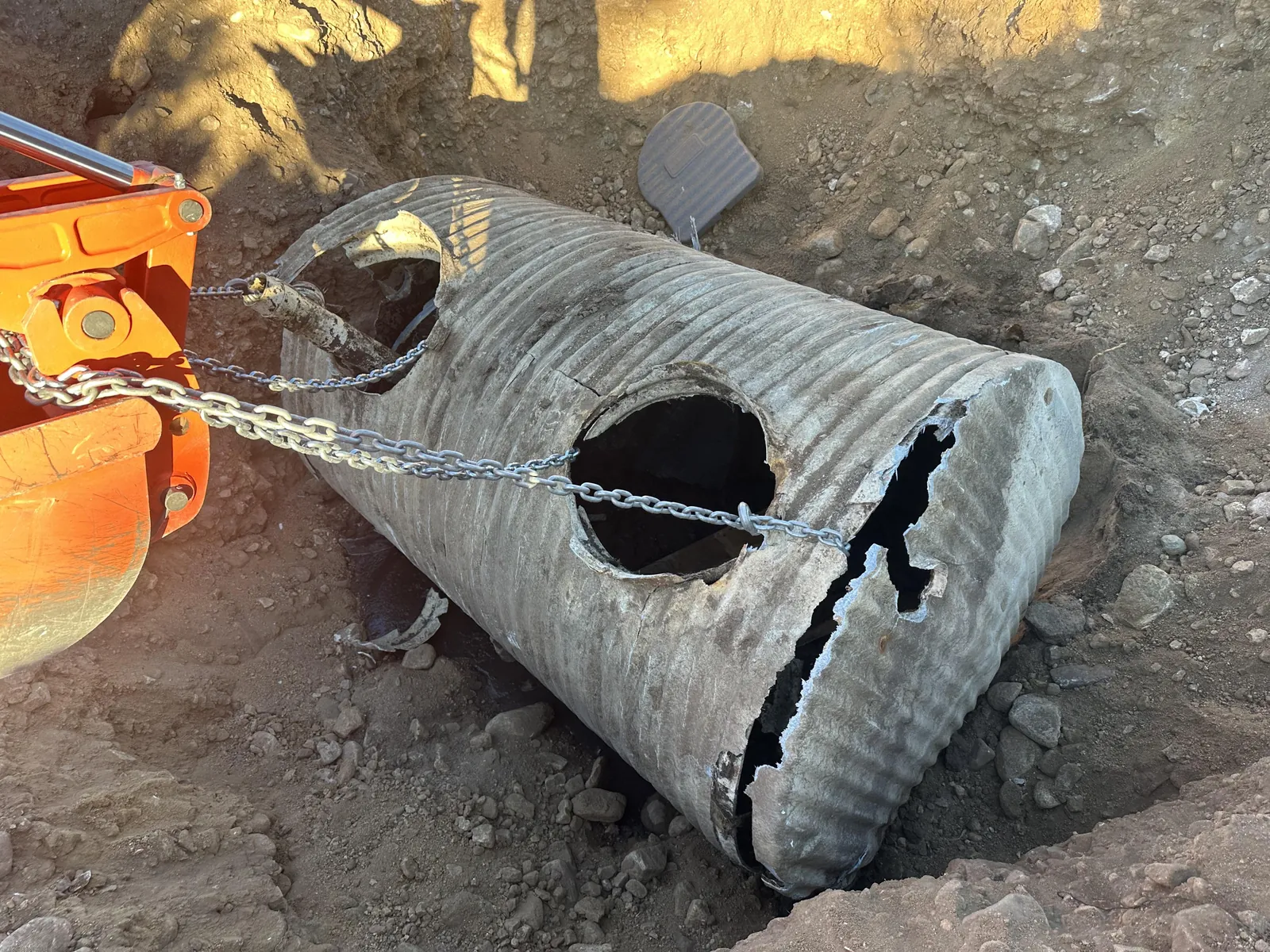
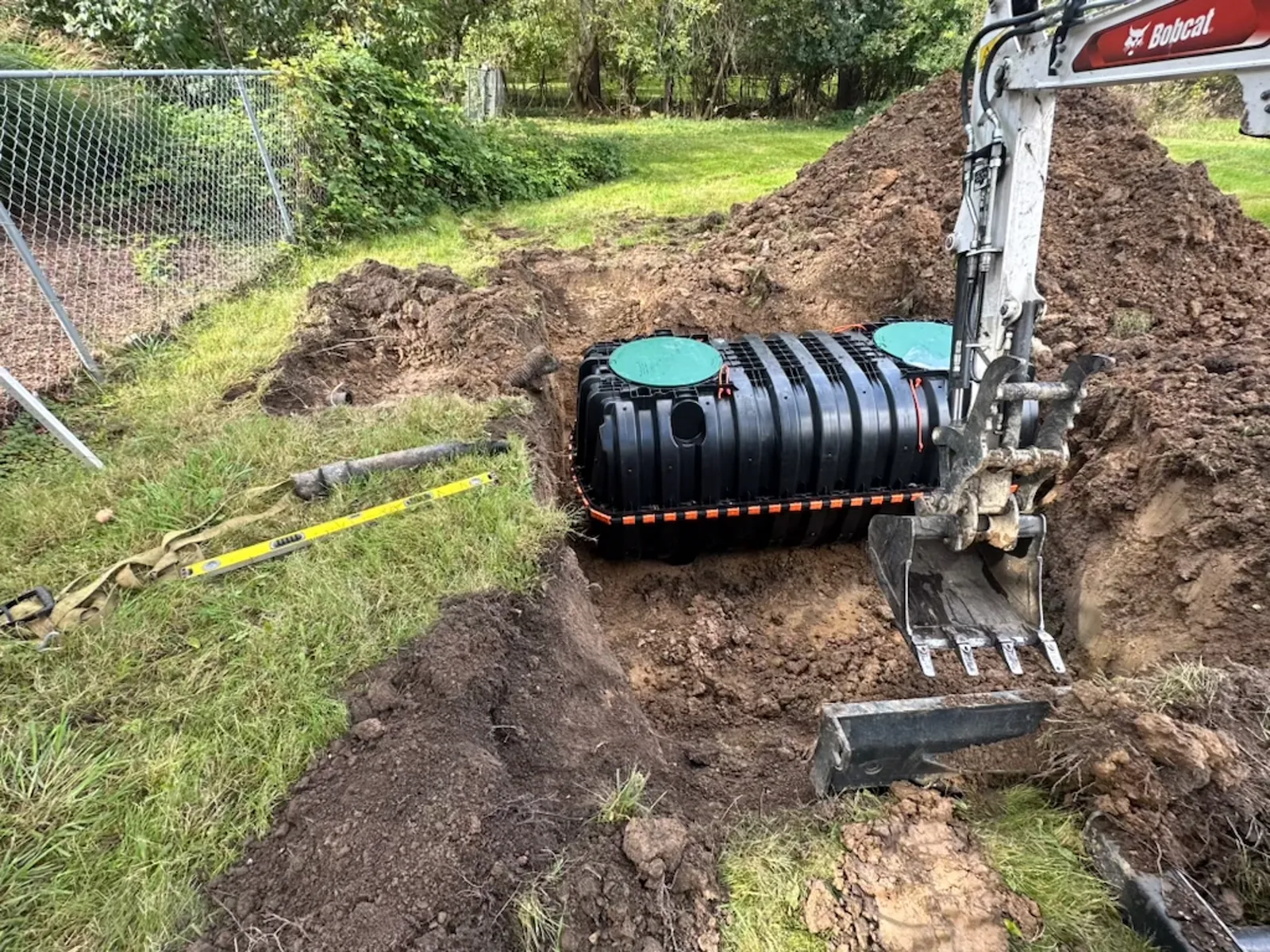
A pumping company empties the old tank first, and then it is taken out of service. The new tank and distribution box go in to the approved design. We run our own excavators and equipment, and digging through rock ledge is part of our excavation work.
The new absorption area is built in the spot and size the approved design shows. A conventional in-ground system lays perforated pipe on stone below grade. A sand mound builds the bed above grade on a layer of sand. Some people call this a leach field replacement, but Pennsylvania's rules say absorption area.
Backfill and final grading finish the job. We shape the ground so surface water runs off the new system instead of across it. Once it is covered, keep vehicles and heavy loads off the absorption area.
Free, no-obligation estimates across the Pennsylvania, New Jersey and New York tri-state area.
(973) 552-8580From the first call or text to the final grading, here is how it goes.
Call or text (973) 552-8580 and tell us about the property. New builds, empty lots and failing systems all start here.
We come out and look at the property, the soil and where a system can fit. Estimates are free.
We dig the soil test pits. The township sewage enforcement officer runs the probes and the percolation tests, and approves the design. In New Jersey and New York, the county health department issues the permit.
Once the permit is issued, we set the tank and run the lines to the distribution box. Then we build the absorption area to the approved design. Conventional in-ground beds and elevated sand mounds are both common on lots around here.
The system gets inspected before anything is covered. In Pennsylvania the township sewage enforcement officer does that inspection. Then we backfill, grade the ground back out and clean up the site.
Common questions about septic replacement across the Pennsylvania, New Jersey and New York tri-state area. If yours is not here, call or text and ask.
Backups, wet ground over the drainfield and sewage odors mean a part of the system has failed. We dig it up, find the cause and repair or replace what quit working.
Learn More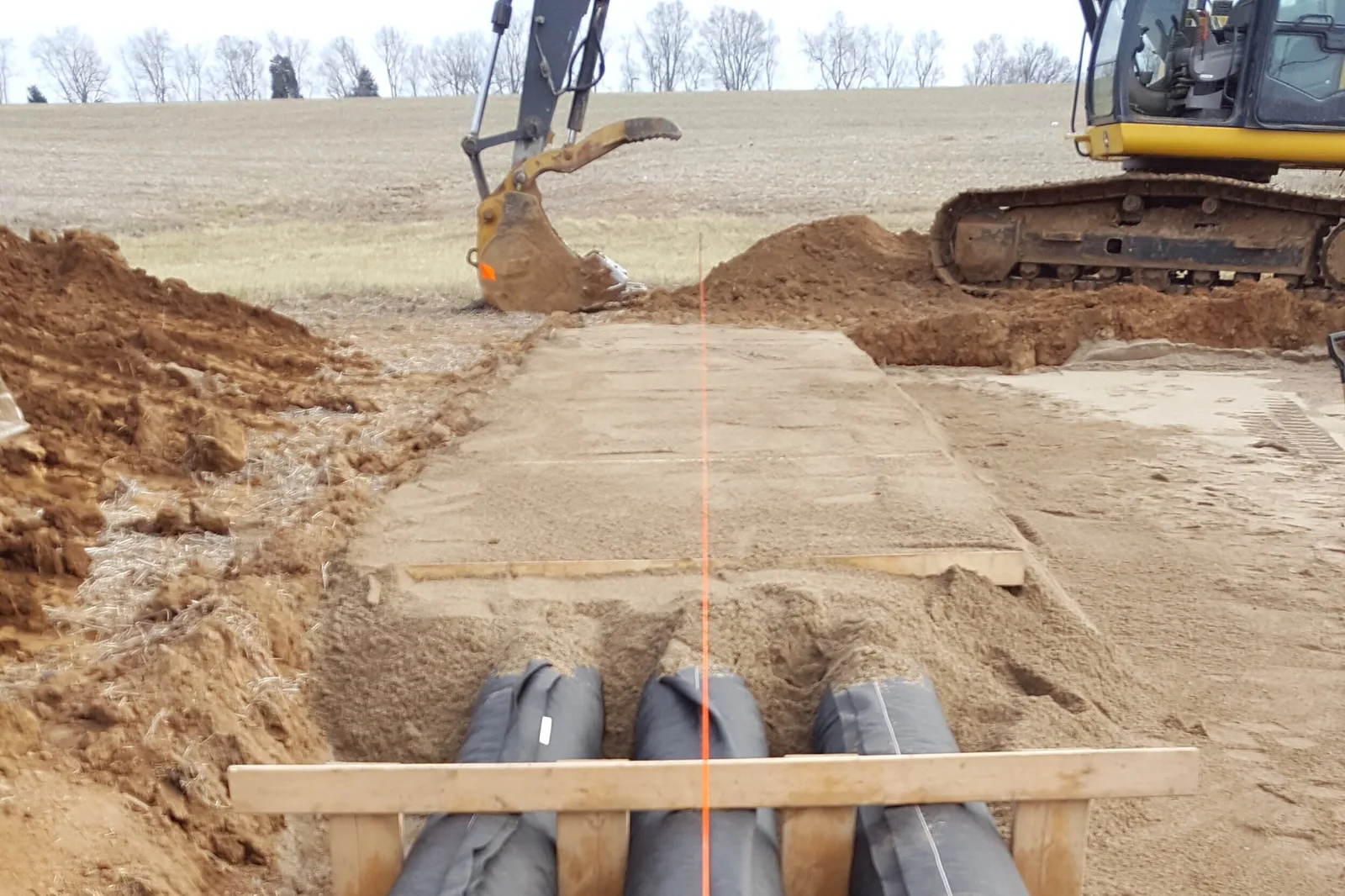
We install sand mound septic systems on lots where the soil testing calls for one. That covers new homes and full replacements where an older system has failed.
Learn More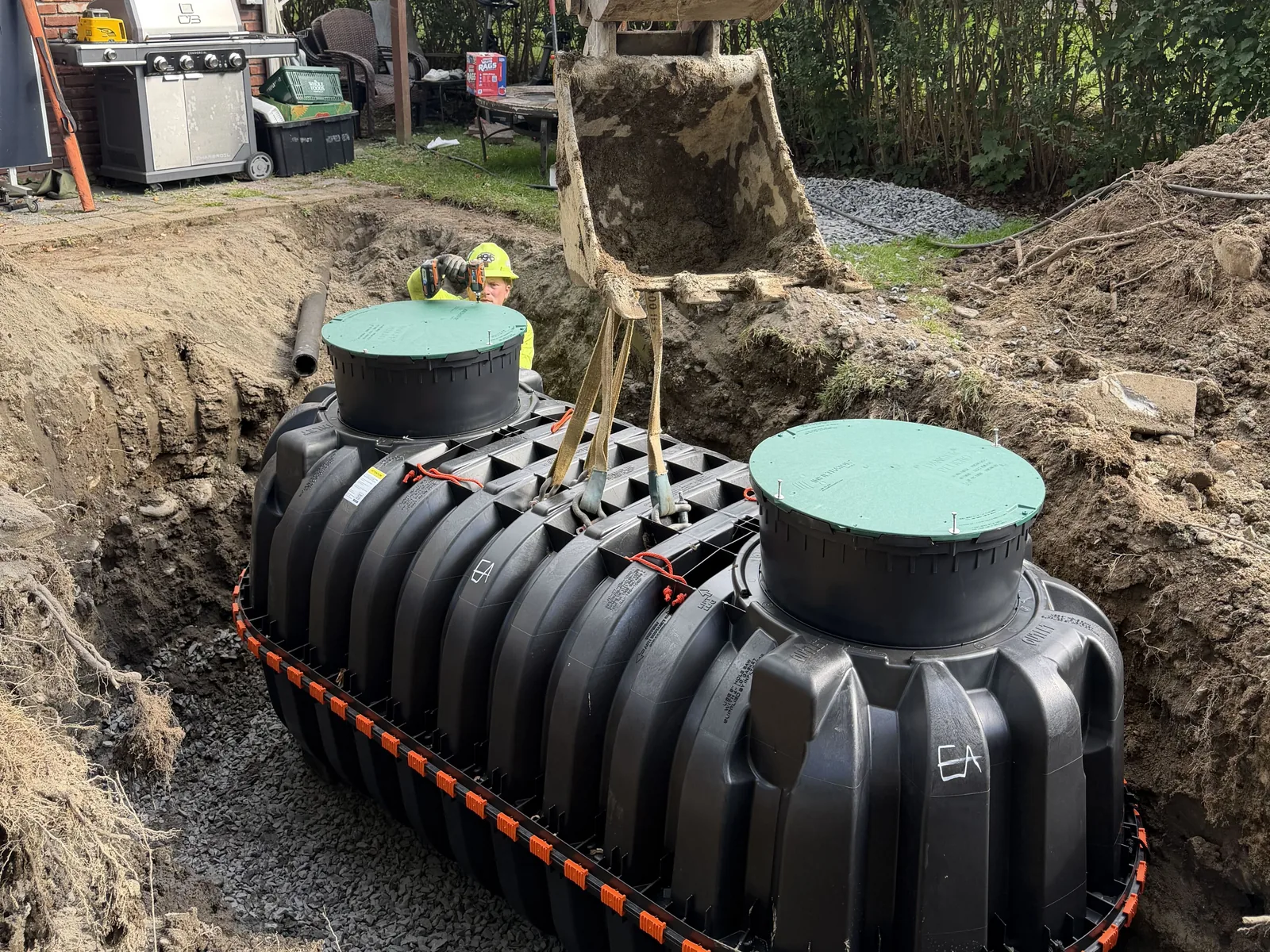
We install aerobic septic systems, where a treatment unit adds air to the tank and sends cleaner water on to the absorption area. We are certified installers for Enviro-Aire treatment units.
Learn MoreSawkill Environmental is licensed and insured, with Pennsylvania Home Improvement Contractor registration PA HIC #PA225040. That number is public, and you can look it up before you hire anyone.
We run our own excavators and equipment. That keeps the test pits, the install and the final grading on one schedule.
We work from Milford out about 25 miles. That covers Pike and Wayne counties in Pennsylvania, Sussex in New Jersey, and Orange and Sullivan in New York.
Estimates are free. We come out, look at the property and tell you what the job needs. Call or text (973) 552-8580.
Real reviews from real septic and excavation jobs on Google.
Great Service and workmanship I would use nobody else to service my grease and septic tanks
Top Notch & Very professional,showed up when was suppose to & it came out better then I could ever imagine… calling them anytime I need there services done
Returned phone calls immediately. Showed up when they said they would… very nice to deal with .. Excellent work
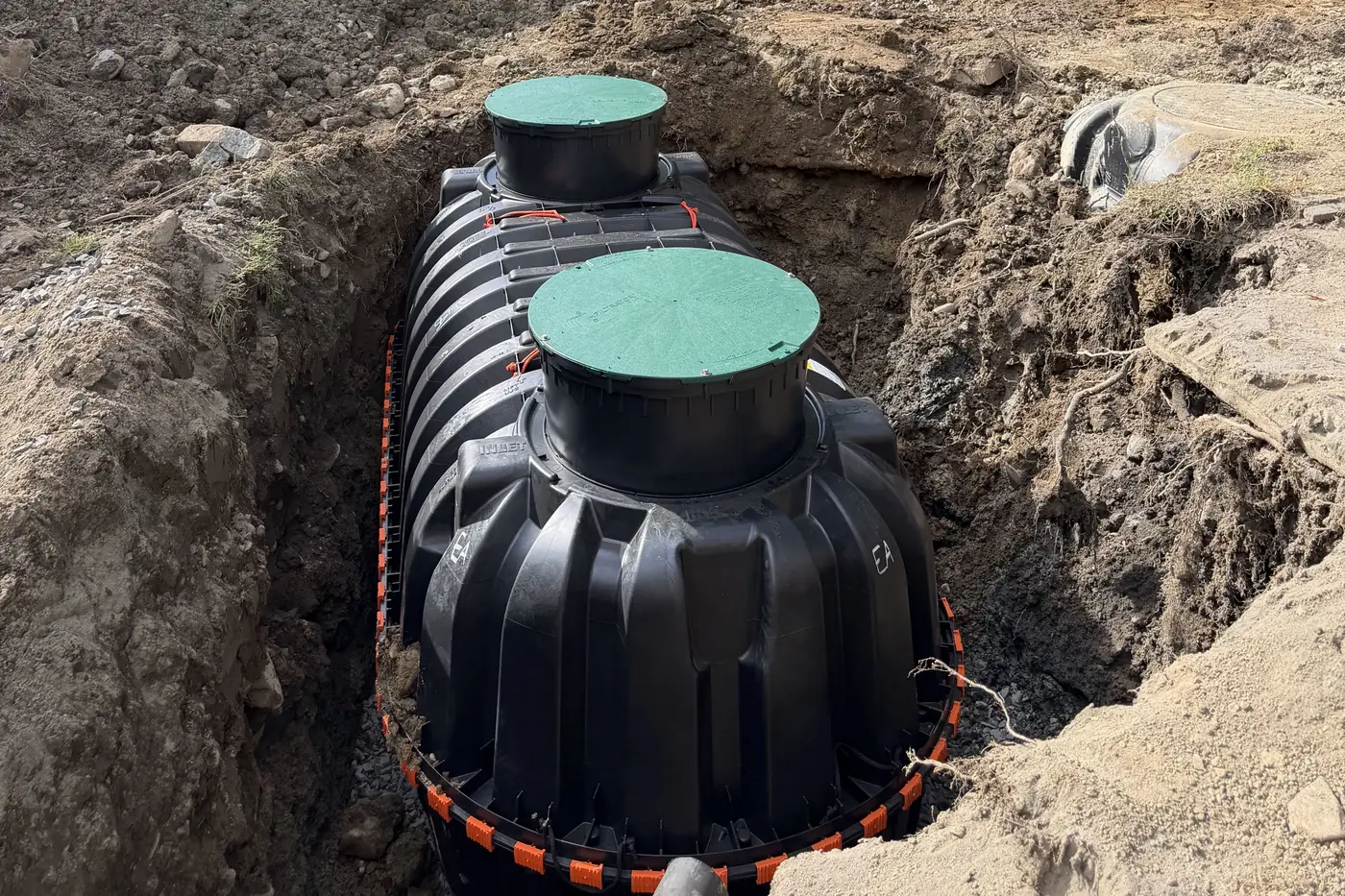
Concrete vs plastic septic tank in Pennsylvania: what the state code requires, how rock and groundwater decide it, and national tank price ranges.
Read more →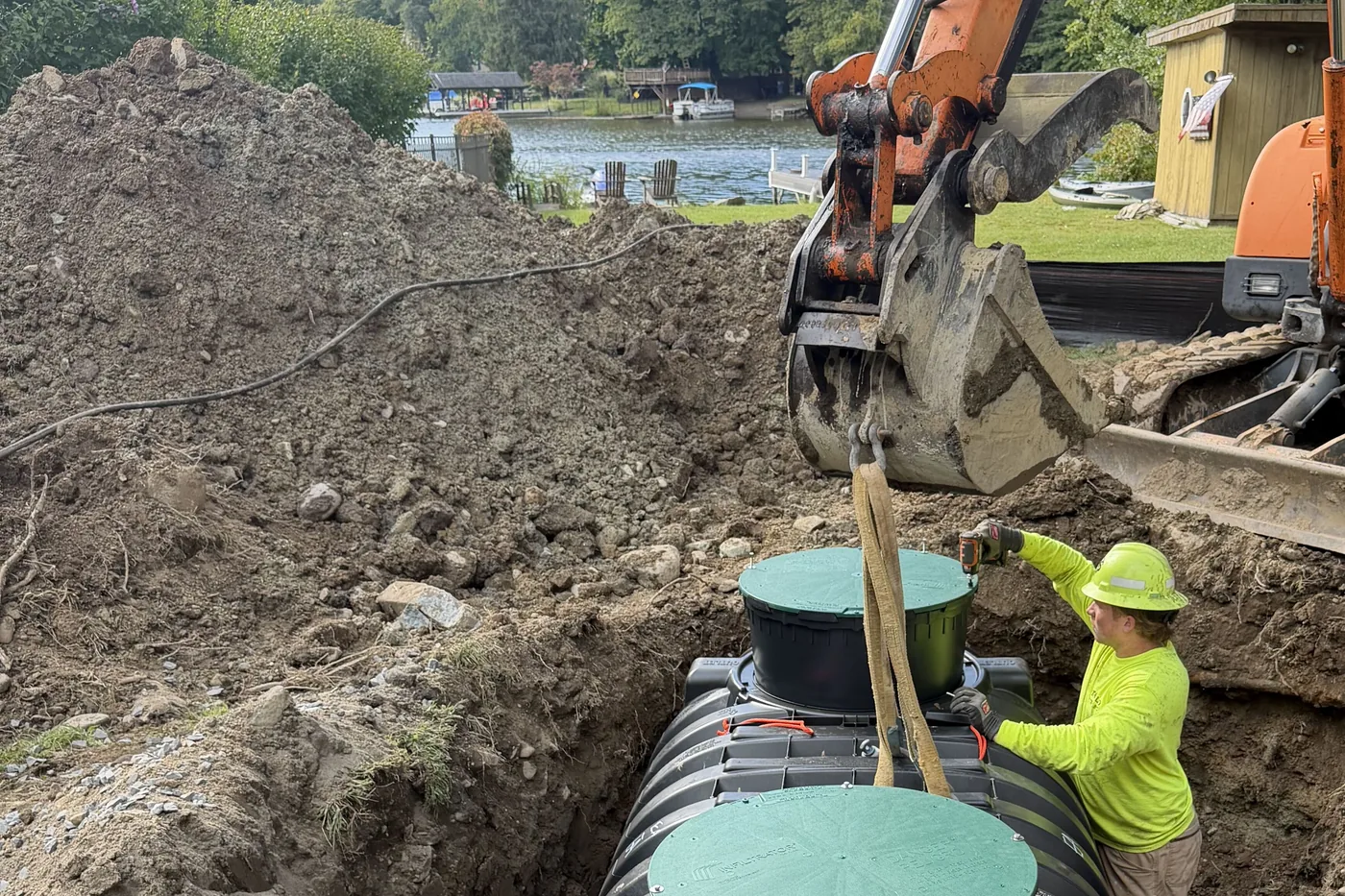
Aerobic septic system cost in Pennsylvania: national price ranges, why aerobic units cost more than a conventional system, and the yearly cost to run one.
Read more →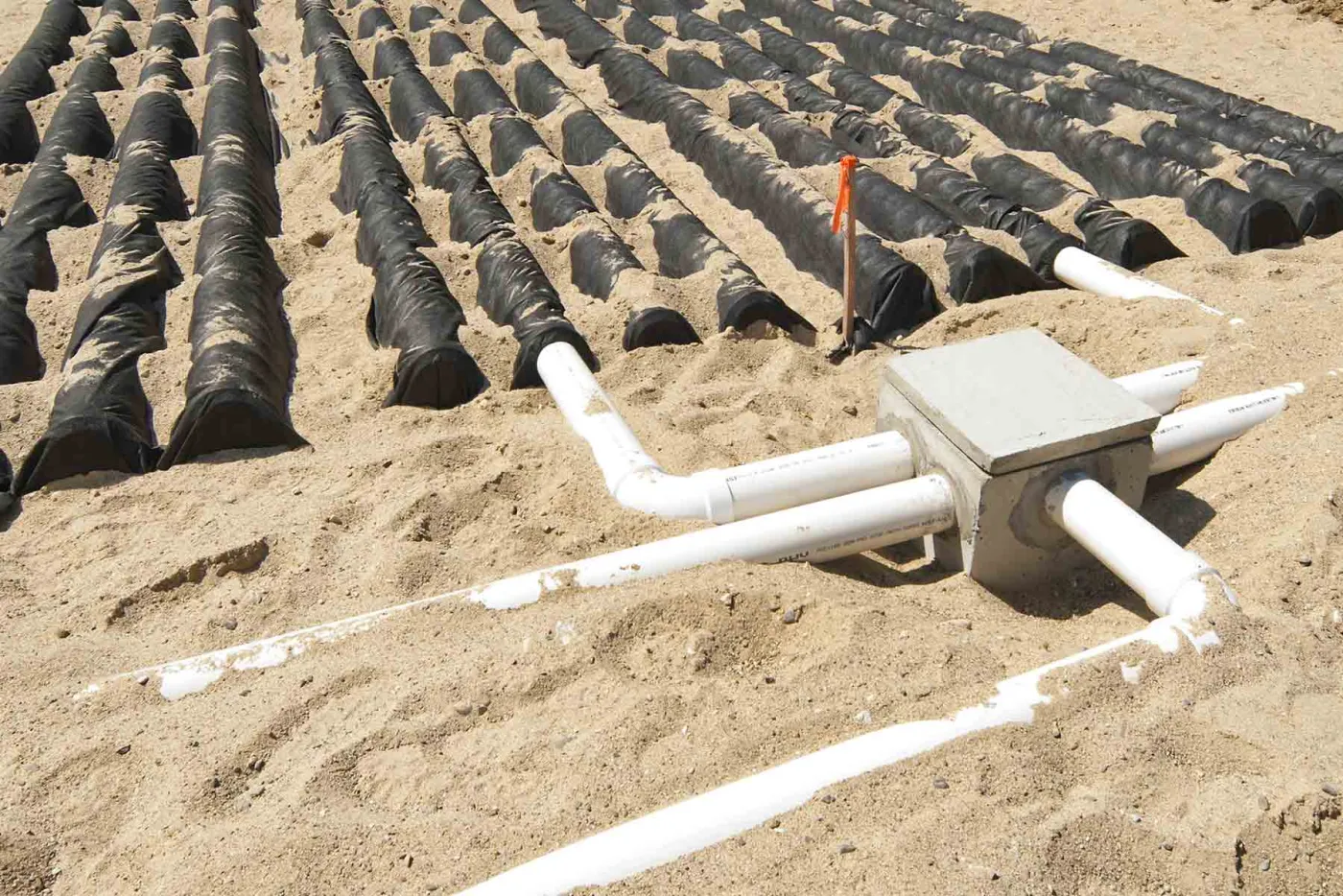
Septic repair or full replacement in Pennsylvania: the signs, what can be fixed, what the township requires, and published market cost ranges.
Read more →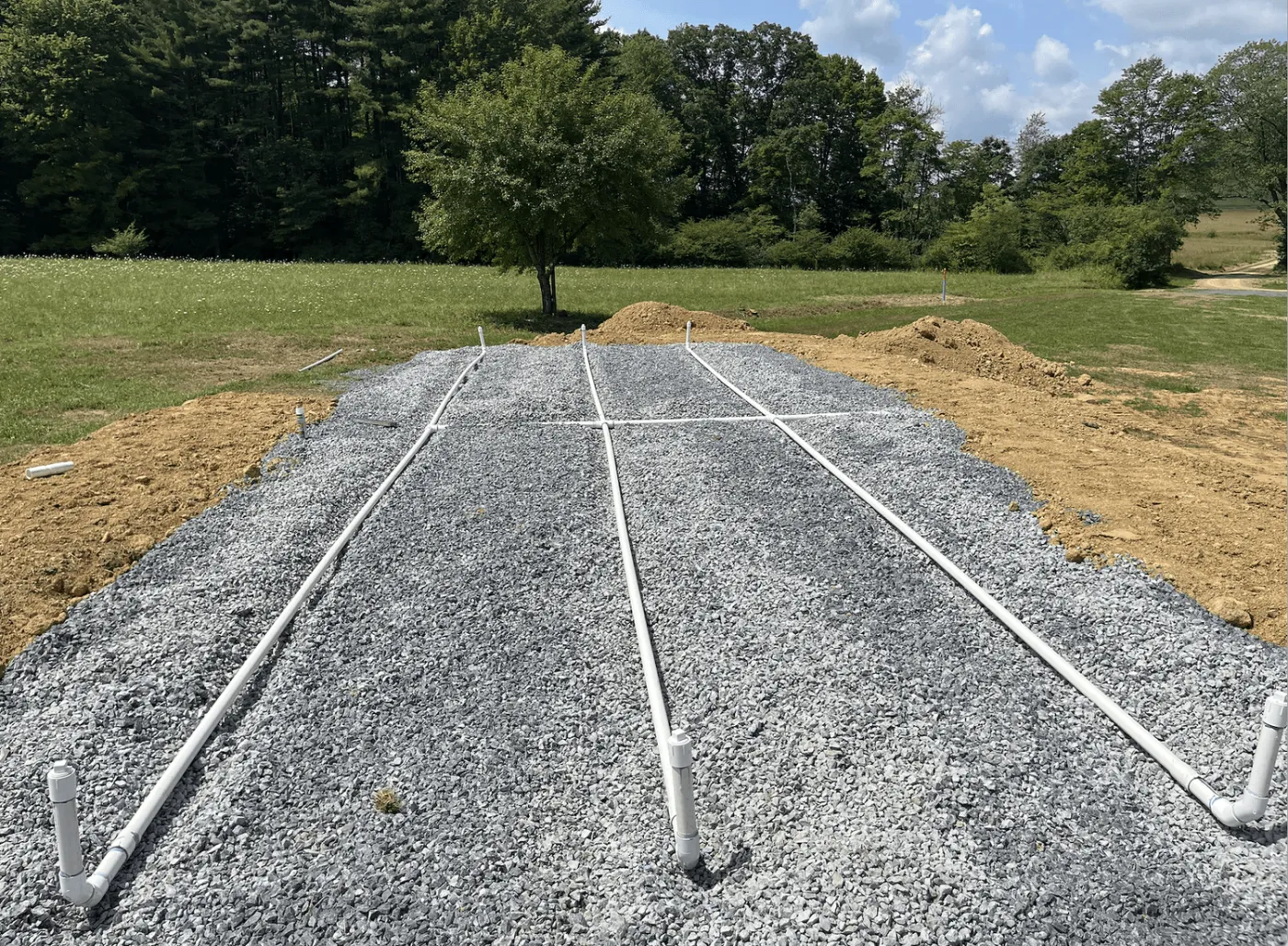
New septic system cost in Pennsylvania: conventional in-ground versus sand mound ranges for the Poconos, plus soil testing and permit costs.
Read more →Tell us about the property and what you need done, and we will come back with a free estimate. You can also call or text (973) 552-8580.
Tell us about the job. We will get right back to you.