
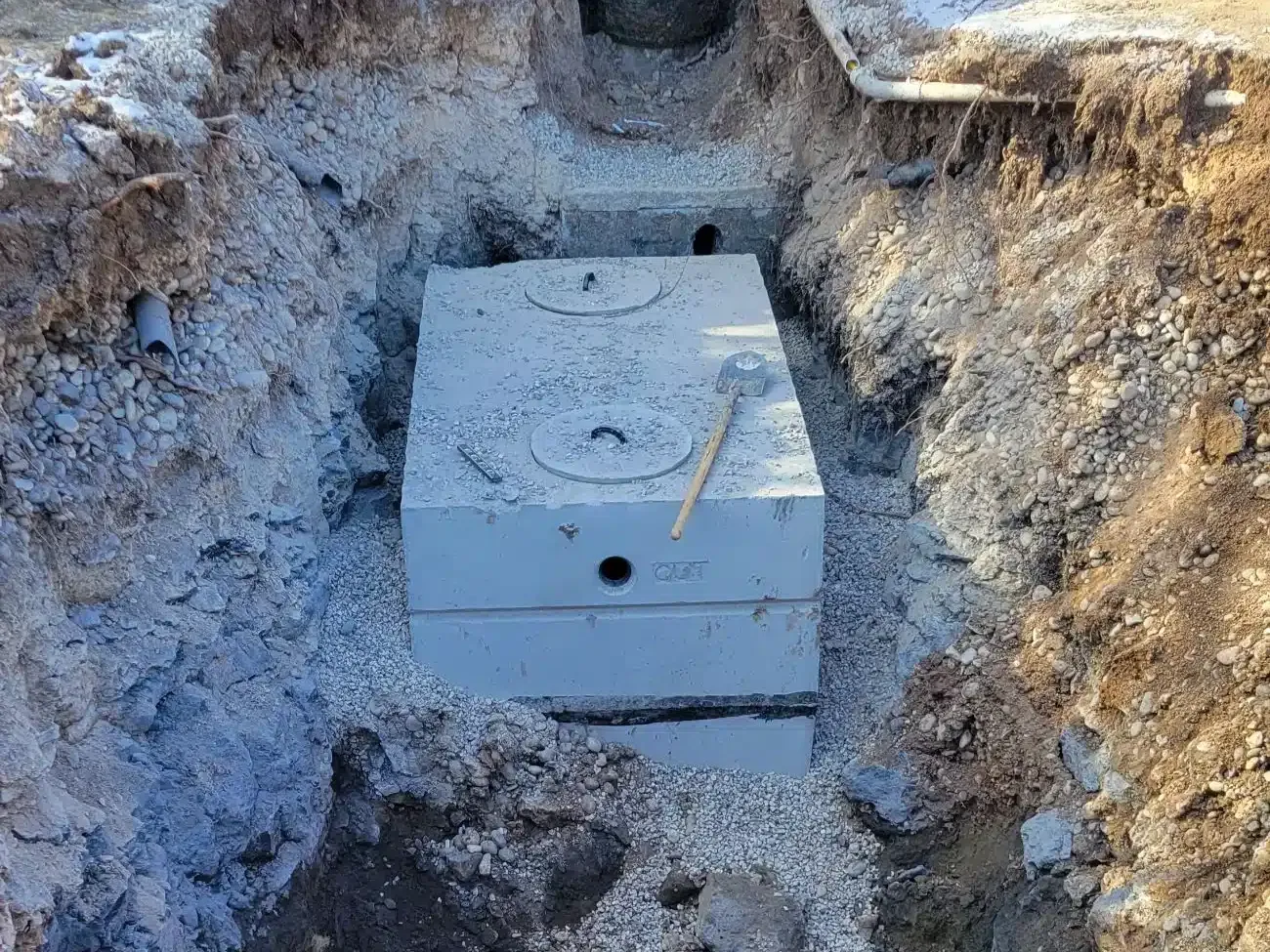
Septic Replacement
When the absorption area stops taking water and the tank is worn out, the whole system gets replaced. We dig the test pits, then build the new system to the approved design.
Learn More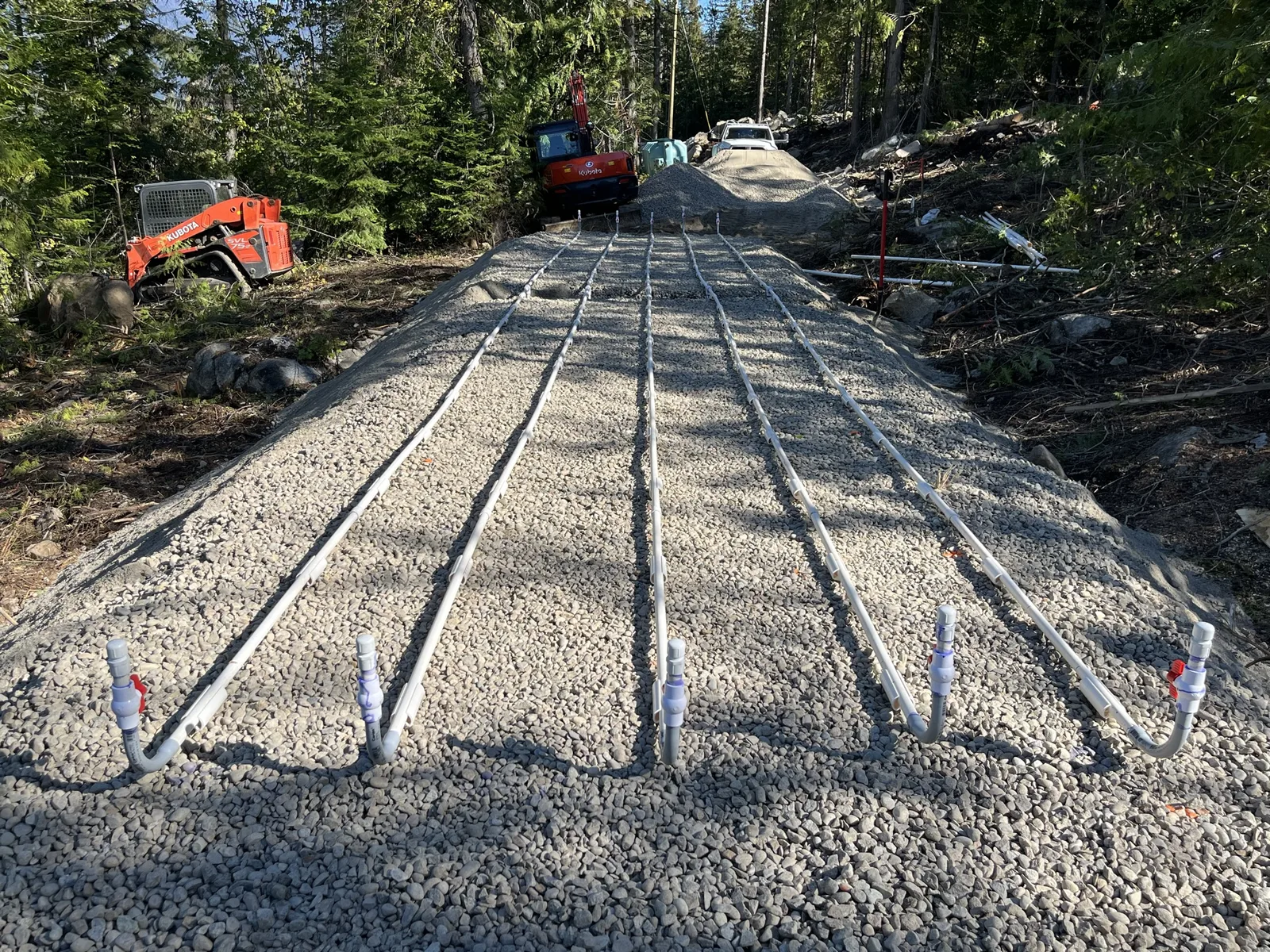
A sand mound septic system puts the absorption area above the ground instead of down in it. The bed sits on clean sand, under a soil cap that grows grass. Around Milford the ground often forces that design. Rock or a seasonal water table sits close to the surface, and Pennsylvania calls that the limiting zone.
In Pennsylvania an elevated sand mound is required where the limiting zone sits less than 60 inches down. We build these systems for homes and small commercial properties across Pike County. Deeper lots with faster soil get a conventional in-ground bed instead, which is standard new septic system installation. We dig the test pits, install to the approved design and finish the grading around the new system.
Tell us about the job. We will get right back to you.
Most of Pike County sits on the Glaciated Low Plateau. Glacial till lies over sandstone and shale, so test pits often hit rock a few feet down. Low ground and lake lots carry a seasonal high water table instead. Pennsylvania treats either one as a limiting zone.
The rules want at least 4 feet of satisfactory material under the bottom of the stone bed. That depth is measured to the top of the limiting zone. Where the limiting zone sits less than 60 inches down, an elevated sand mound is required. The sand supplies the depth the ground is missing.
Slope also decides where a mound can go. Pennsylvania caps the slope of the undisturbed soil under a sand mound absorption area at 12 percent. Steeper ground rules that spot out, so the design moves downhill to flatter ground. On hillside and lake lots around Milford, finding that spot is half the job.
The design starts with the soil. We dig the test pits with an excavator so the sewage enforcement officer can read the profile. A pit goes down to the top of the limiting zone, or to 7 feet, whichever comes first. The pits sit within 10 feet of the proposed absorption area.
If the profile is clear, percolation testing follows. Six or more holes are spaced across the proposed absorption area and presoaked for 8 to 24 hours. Timing the drop gives a rate in minutes per inch. A slow rate or a shallow limiting zone points the design at a sand mound.
Where the profile shows a limiting zone within 20 inches of the surface, percolation tests are not run. Testing, design and the permit itself stay with the sewage enforcement officer and the design professional. Our part is the test pits, the install and the final grading.
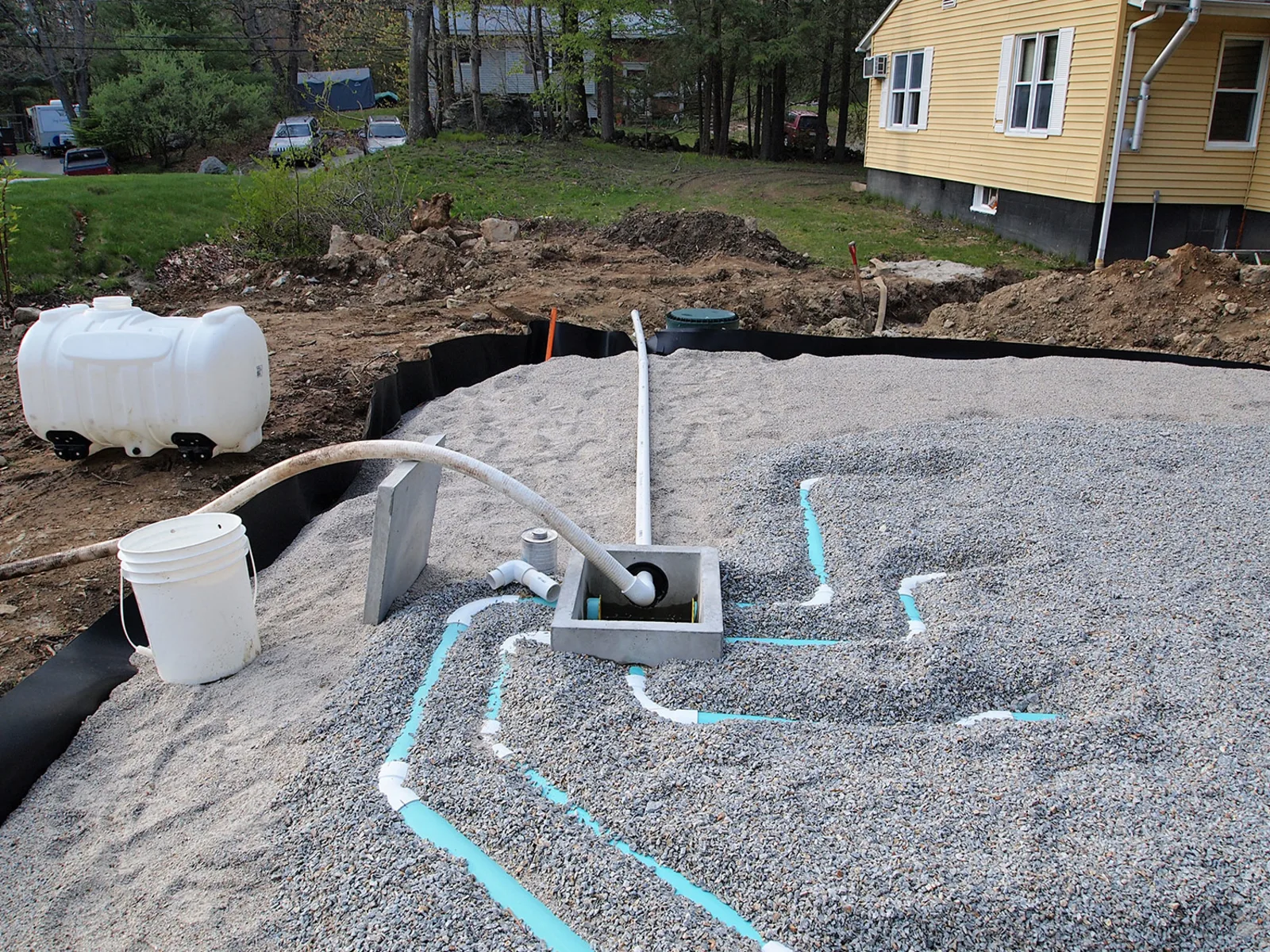
The tank and the dosing tank get set first. Pennsylvania's sizing table calls for pressure dosing on elevated sand mounds. A pump in the dosing tank sends measured doses up to the bed, instead of a steady gravity flow. Rock in the way of the tank hole is ordinary excavation work on these lots.
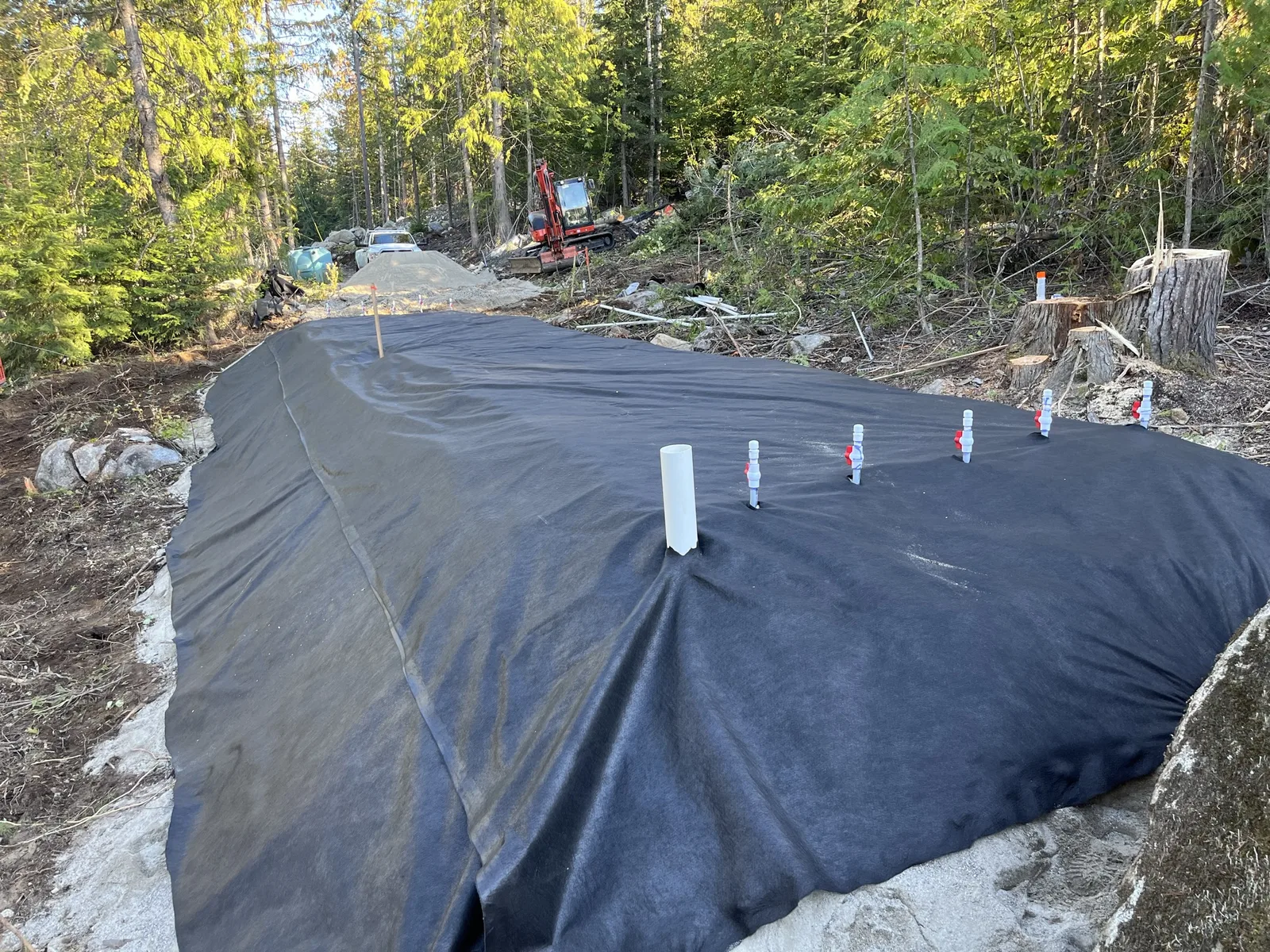
Then comes the ground under the mound. Brush and trees in the footprint are cut flush, and the roots stay put. The area is plowed along the contour, no deeper than 6 inches. Sand goes down right after, placed from the uphill side with lightweight equipment.
The sand is a specified material, and the sewage enforcement officer gets written confirmation that it meets the spec. At least a foot of it goes under the stone bed. The bed, the manifold and the pressure laterals sit inside a soil berm at least 3 feet wide. A foot of soil caps the stone, grows the grass, and we grade around the mound so water runs off.
Free, no-obligation estimates across the Pennsylvania, New Jersey and New York tri-state area.
(973) 552-8580From the first call or text to the final grading, here is how it goes.
Call or text (973) 552-8580 and tell us about the property. New builds, empty lots and failing systems all start here.
We come out and look at the property, the soil and where a system can fit. Estimates are free.
We dig the soil test pits. The township sewage enforcement officer runs the probes and the percolation tests, and approves the design. In New Jersey and New York, the county health department issues the permit.
Once the permit is issued, we set the tank and run the lines to the distribution box. Then we build the absorption area to the approved design. Conventional in-ground beds and elevated sand mounds are both common on lots around here.
The system gets inspected before anything is covered. In Pennsylvania the township sewage enforcement officer does that inspection. Then we backfill, grade the ground back out and clean up the site.
Common questions about sand mound systems across the Pennsylvania, New Jersey and New York tri-state area. If yours is not here, call or text and ask.
When the absorption area stops taking water and the tank is worn out, the whole system gets replaced. We dig the test pits, then build the new system to the approved design.
Learn More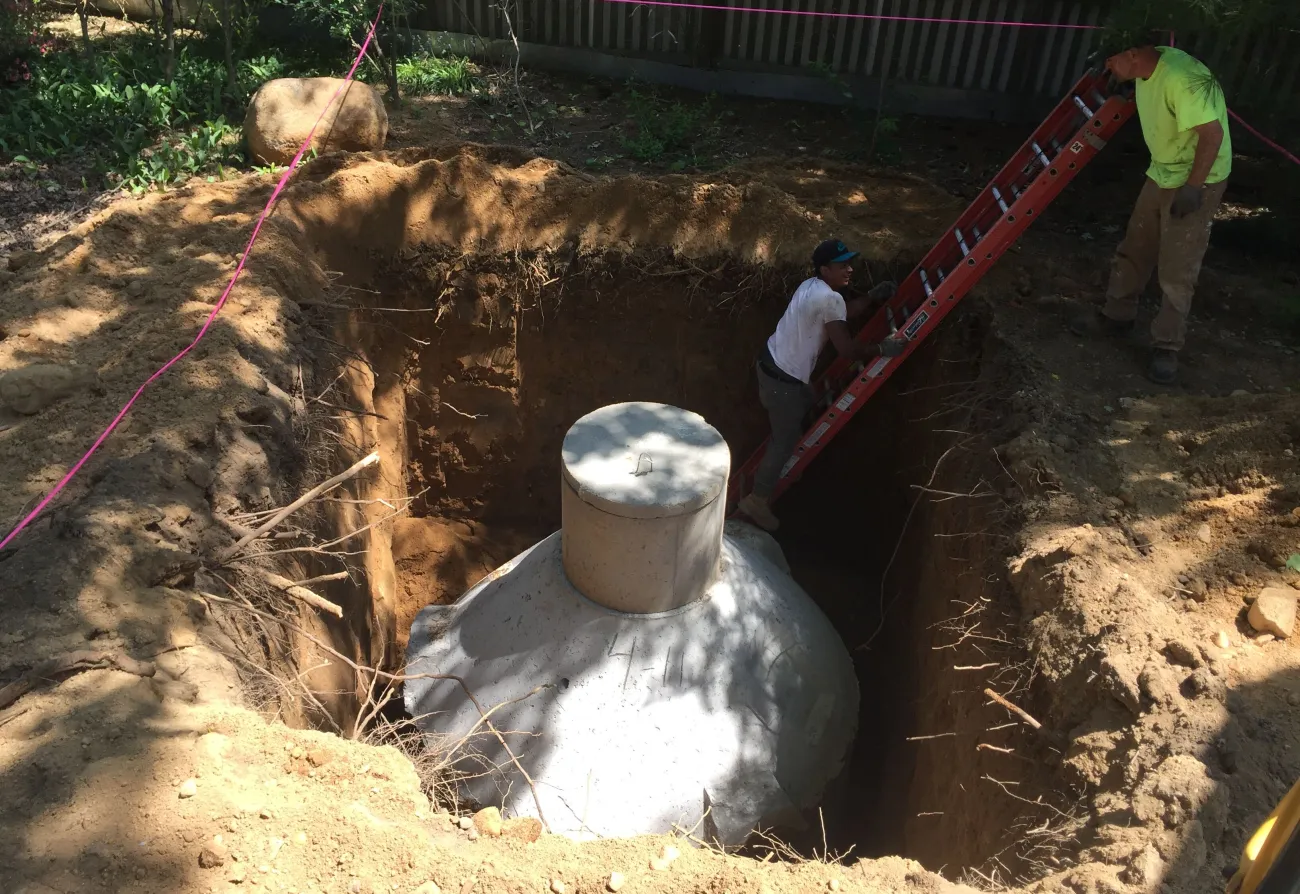
Backups, wet ground over the drainfield and sewage odors mean a part of the system has failed. We dig it up, find the cause and repair or replace what quit working.
Learn More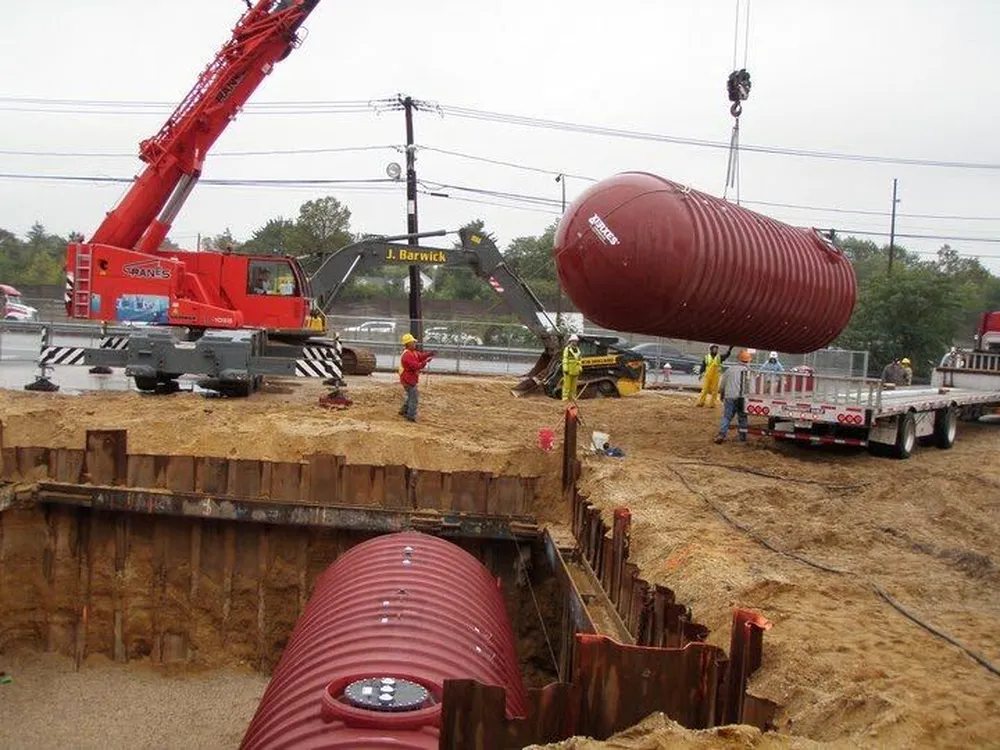
We handle general excavation for homes and commercial sites around Milford: foundation and basement digs, footings, trenches and rock ledge. We run our own excavators and equipment, so the dig, the backfill and the compaction stay with one company.
Learn MoreSawkill Environmental is licensed and insured, with Pennsylvania Home Improvement Contractor registration PA HIC #PA225040. That number is public, and you can look it up before you hire anyone.
We run our own excavators and equipment. That keeps the test pits, the install and the final grading on one schedule.
We work from Milford out about 25 miles. That covers Pike and Wayne counties in Pennsylvania, Sussex in New Jersey, and Orange and Sullivan in New York.
Estimates are free. We come out, look at the property and tell you what the job needs. Call or text (973) 552-8580.
Real reviews from real septic and excavation jobs on Google.
Great Service and workmanship I would use nobody else to service my grease and septic tanks
Top Notch & Very professional,showed up when was suppose to & it came out better then I could ever imagine… calling them anytime I need there services done
Returned phone calls immediately. Showed up when they said they would… very nice to deal with .. Excellent work
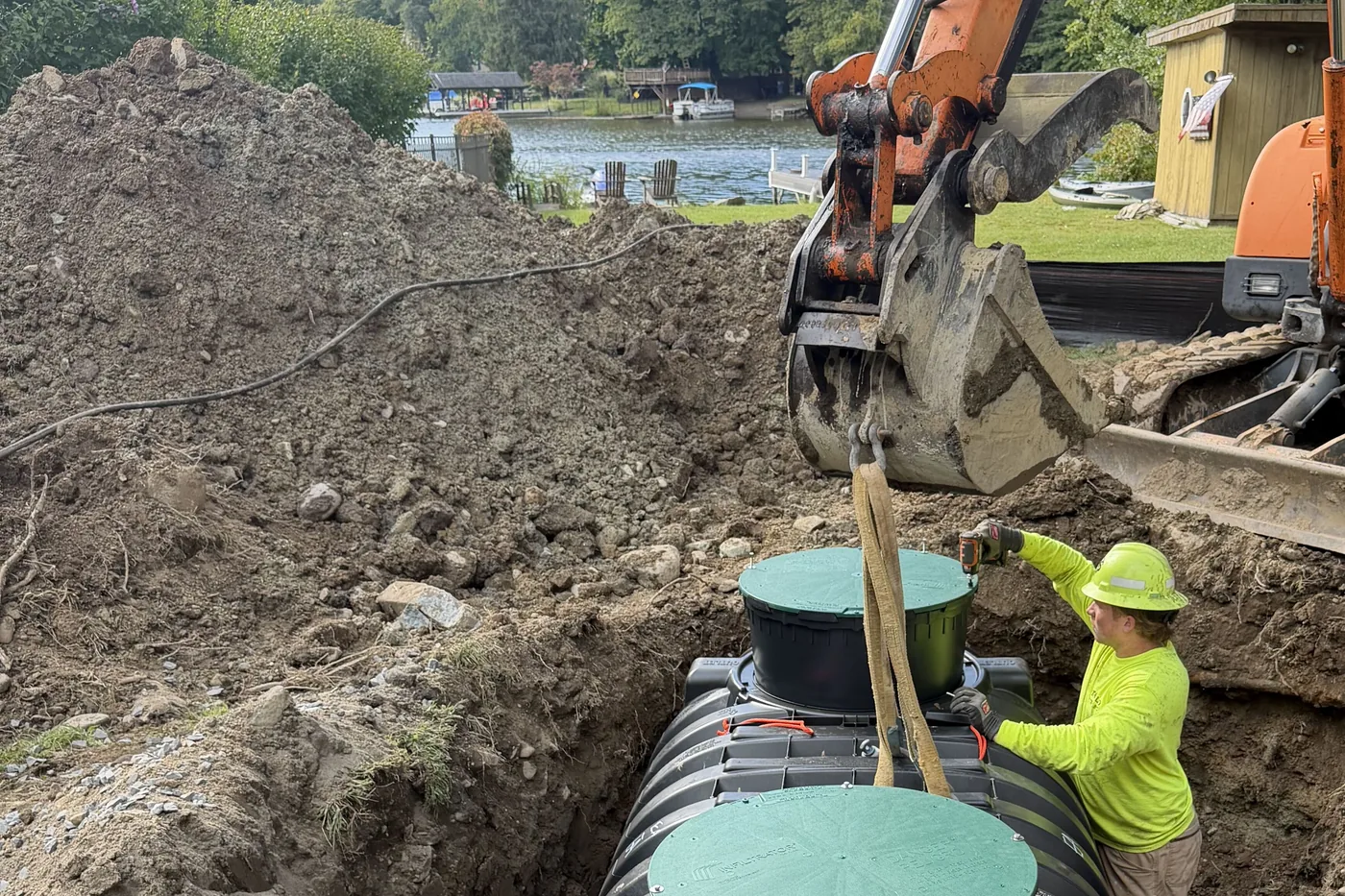
Aerobic septic system cost in Pennsylvania: national price ranges, why aerobic units cost more than a conventional system, and the yearly cost to run one.
Read more →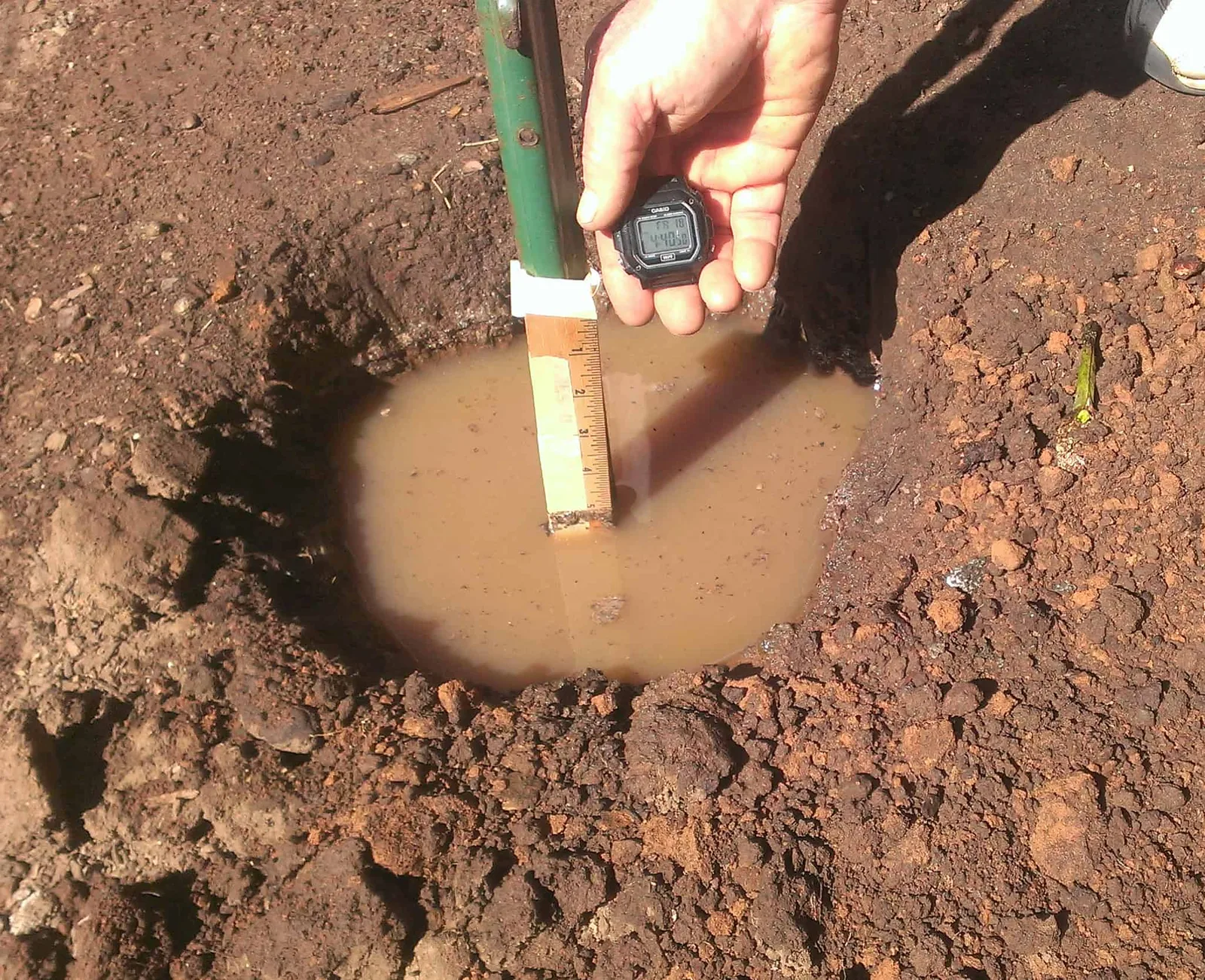
Perc test cost in Pennsylvania: published market ranges, real Pike County township fees, what the perc rate means and who runs the test on your lot.
Read more →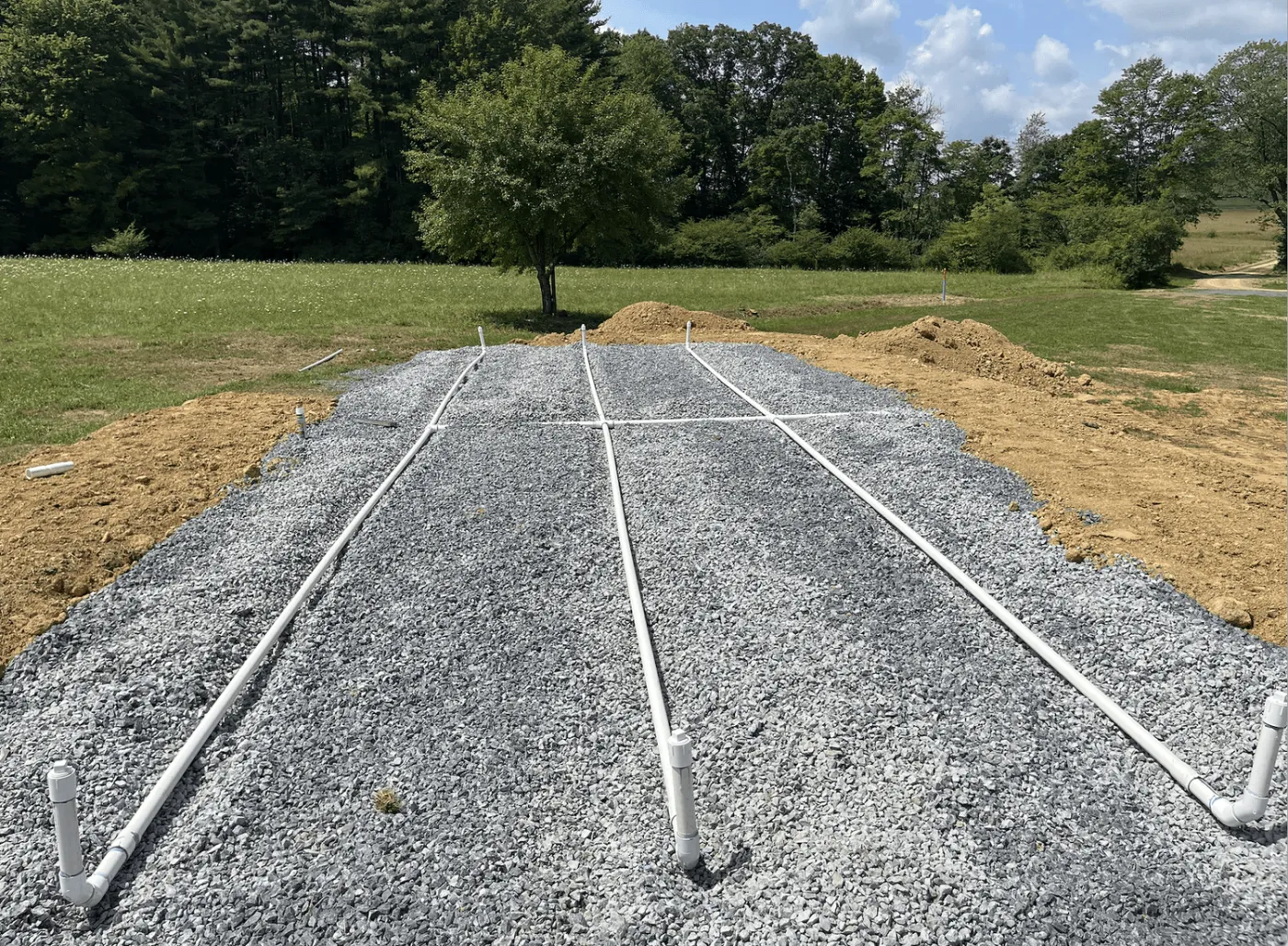
New septic system cost in Pennsylvania: conventional in-ground versus sand mound ranges for the Poconos, plus soil testing and permit costs.
Read more →Tell us about the property and what you need done, and we will come back with a free estimate. You can also call or text (973) 552-8580.
Tell us about the job. We will get right back to you.