
Septic Replacement
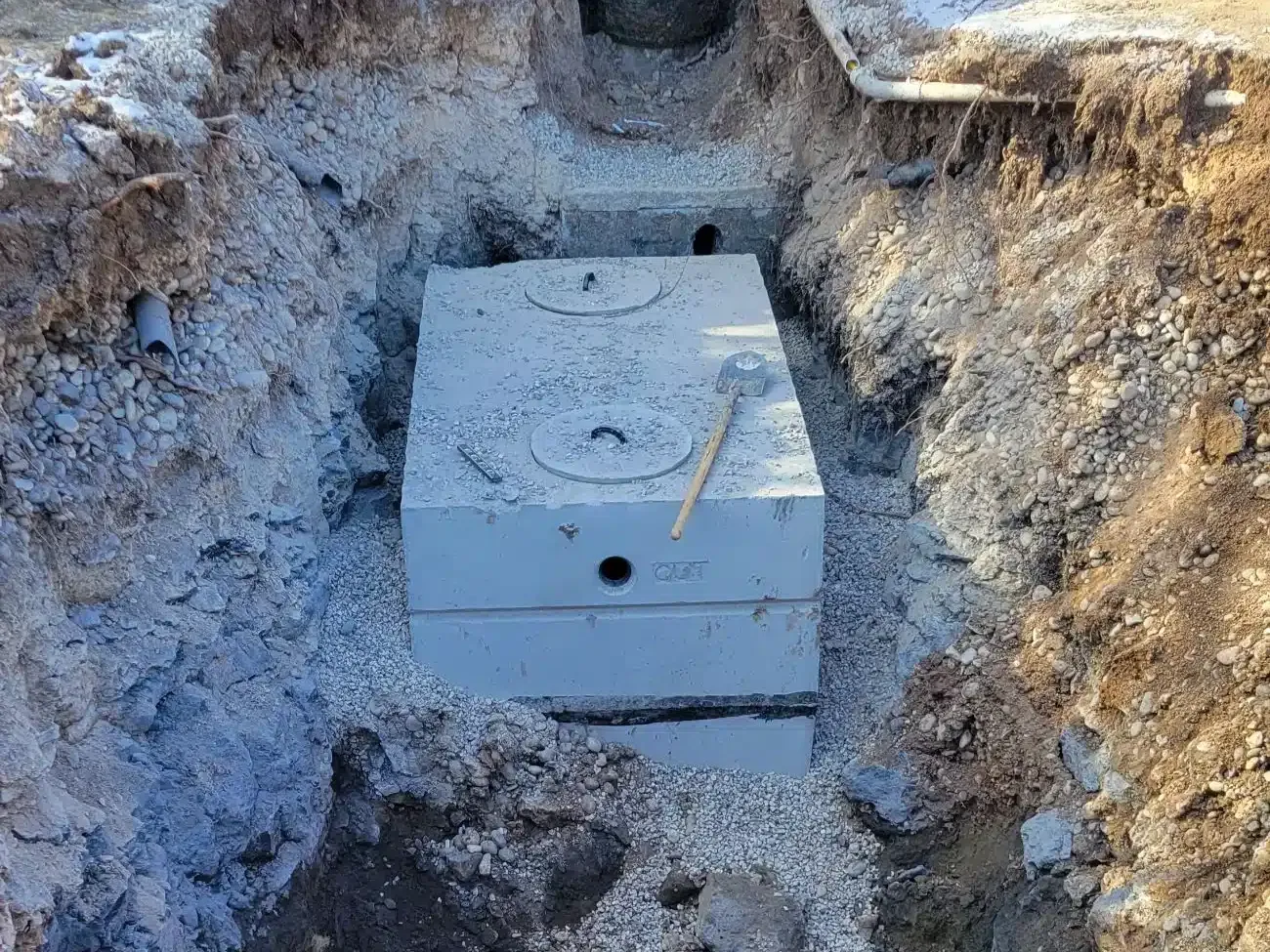
When the absorption area stops taking water and the tank is worn out, the whole system gets replaced. We dig the test pits, then build the new system to the approved design.
Learn More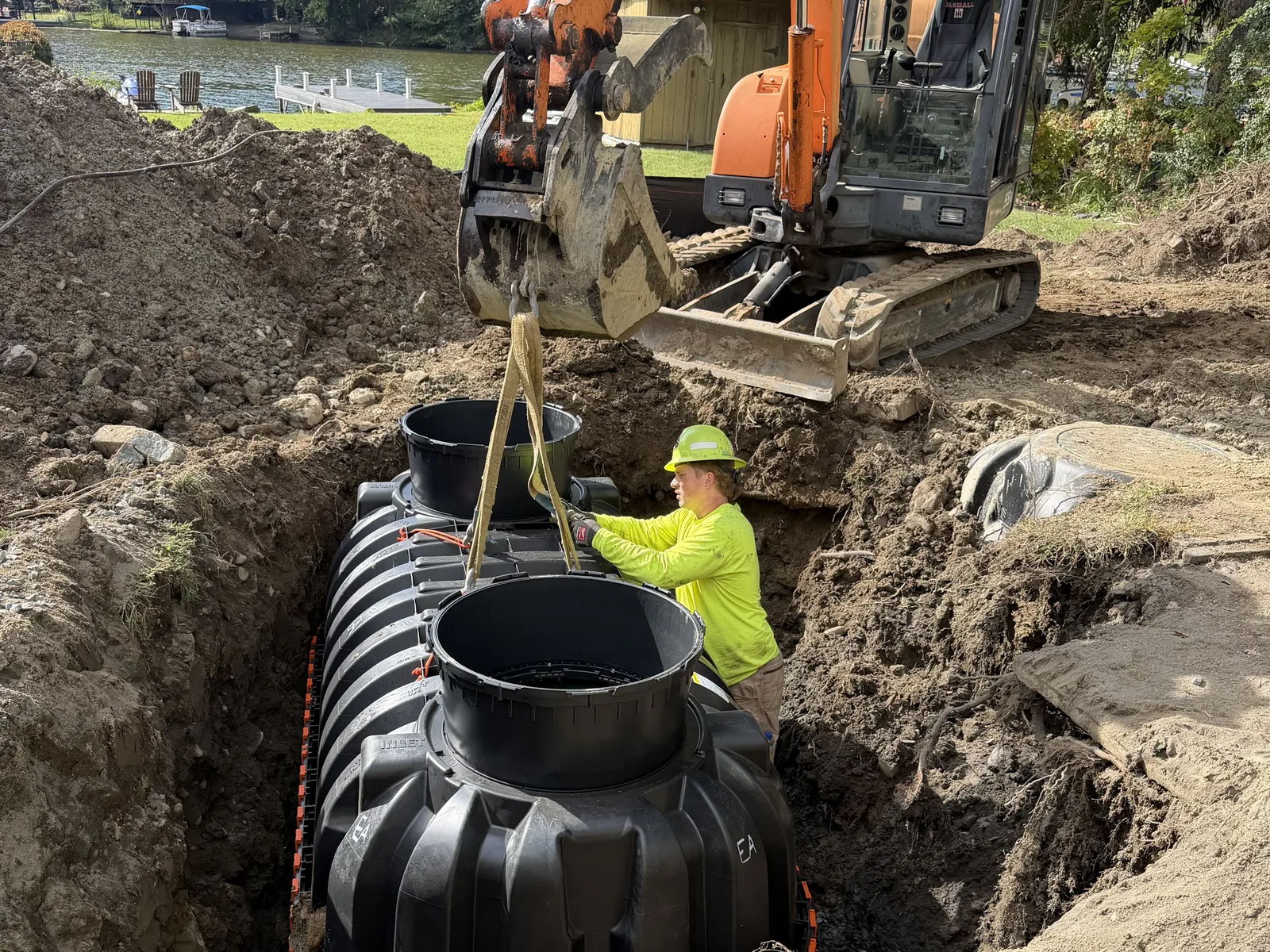
An aerobic septic system treats wastewater inside the tank before it reaches the absorption area. An aerator feeds air into a treatment chamber, and the bacteria that live on oxygen break the waste down faster than a plain septic tank can. The water that leaves the unit is far cleaner, which is why these units are called advanced treatment or enhanced treatment units.
We install aerobic septic systems for homes and small commercial properties around Milford, and across the Pennsylvania, New Jersey and New York corner. We are certified installers for Enviro-Aire wastewater treatment units, and our most recent install went in on a lake lot in Greenwood Lake, NY. The unit goes in as part of a new septic system or a replacement, built to the approved design.
Tell us about the job. We will get right back to you.
A conventional septic tank works without air. Solids settle, and bacteria that live without oxygen do a slow, partial job on the rest. An aerobic treatment unit adds a second stage. An aerator pushes air into a treatment chamber, and oxygen-loving bacteria eat the waste down to a much lower level before the water moves on.
The Enviro-Aire units we install meet NSF/ANSI Standard 40, the national standard for residential aerobic treatment units. The manufacturer rates the design at an average of 12 milligrams per liter of BOD and 16 milligrams per liter of suspended solids leaving the unit. The units come in 500 and 750 gallon per day sizes, assembled in a plastic tank or a precast concrete tank.
The unit still sits ahead of an absorption area. An effluent filter on the outlet keeps solids in the tank, and a control panel with an alarm tells you when the aerator stops. The unit needs power, so the electrical hookup is done by an electrician.
Pennsylvania covers aerobic treatment tanks in 25 Pa. Code 73.32. A unit serving a single family home has to carry the NSF seal under Standard 40, and the smallest rated capacity the state approves is 400 gallons per day. The Department of Environmental Protection gives each local agency a list of the units that meet the standard. The township sewage enforcement officer still runs the soil testing and issues the permit.
New York's Appendix 75-A calls them enhanced treatment units. The unit has to carry a label showing it meets NSF Standard 40 as a Class I unit, with a rated capacity of at least 400 gallons per day and an effluent filter on the outlet. Where a county or watershed rule requires the unit to be serviced to the manufacturer's schedule, the absorption trenches behind it can be designed a third shorter. That reduction does not apply inside the New York City watershed. It is one reason these units come up on small lake lots in Orange and Sullivan counties, where septic permits go through the county health department.
New Jersey's standards, N.J.A.C. 7:9A, call them advanced wastewater pretreatment devices. The unit has to be on the state list under NSF/ANSI Standard 40 or 245, the installer has to be trained by the manufacturer, and the owner keeps a service contract with an authorized service provider for the life of the system. That contract has to be signed before the certificate of compliance is issued. In Sussex County the permit goes through the county Office of Environmental Health.
The install runs like any tank set. We dig the hole, bed the bottom with stone and set the tank level. Then we connect the house line, the outlet to the absorption area, the risers and the lids. Power for the aerator and the alarm panel runs from the house in a trench. Rock in the hole means digging through ledge, which is normal on lots around here.
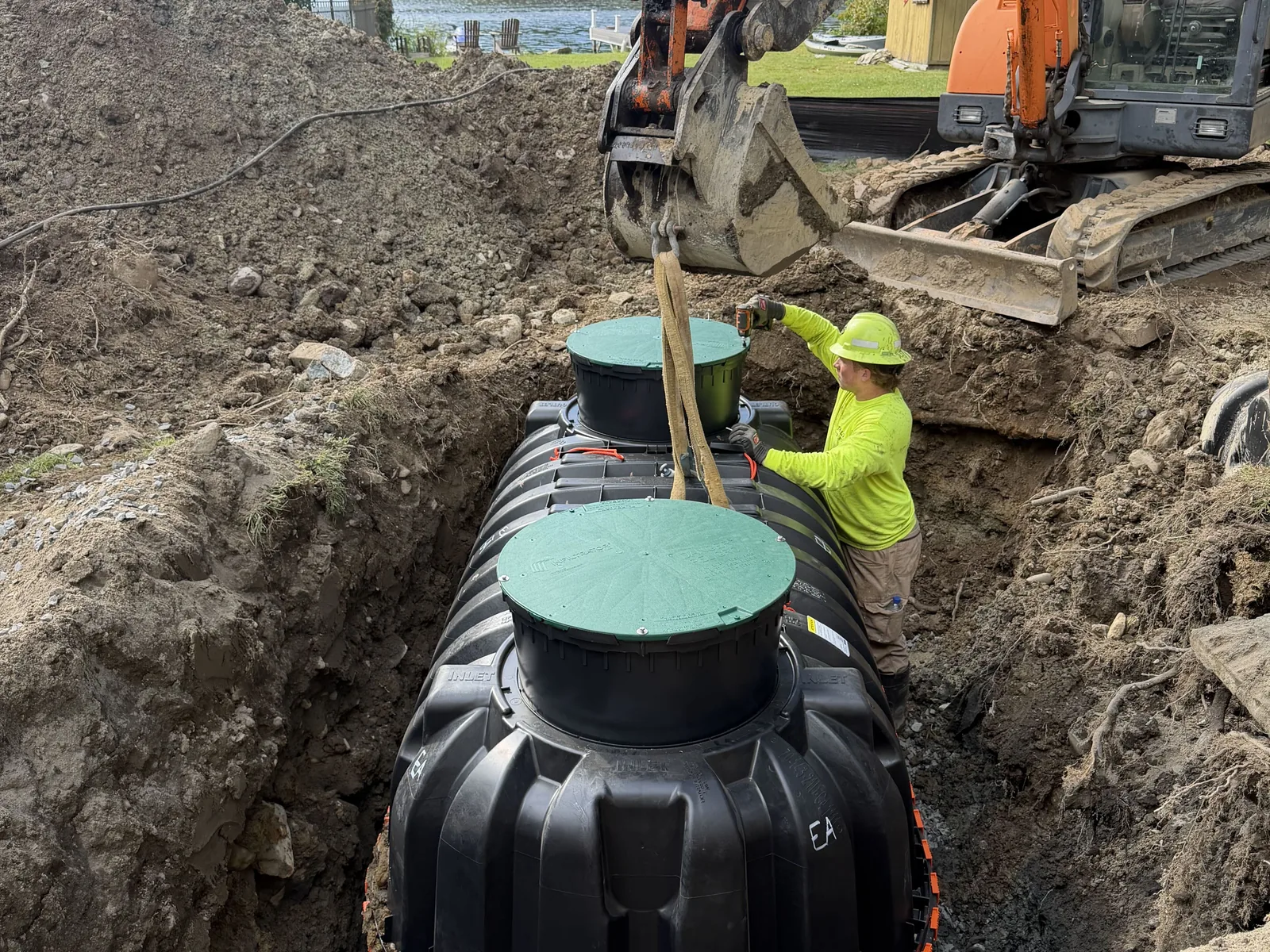
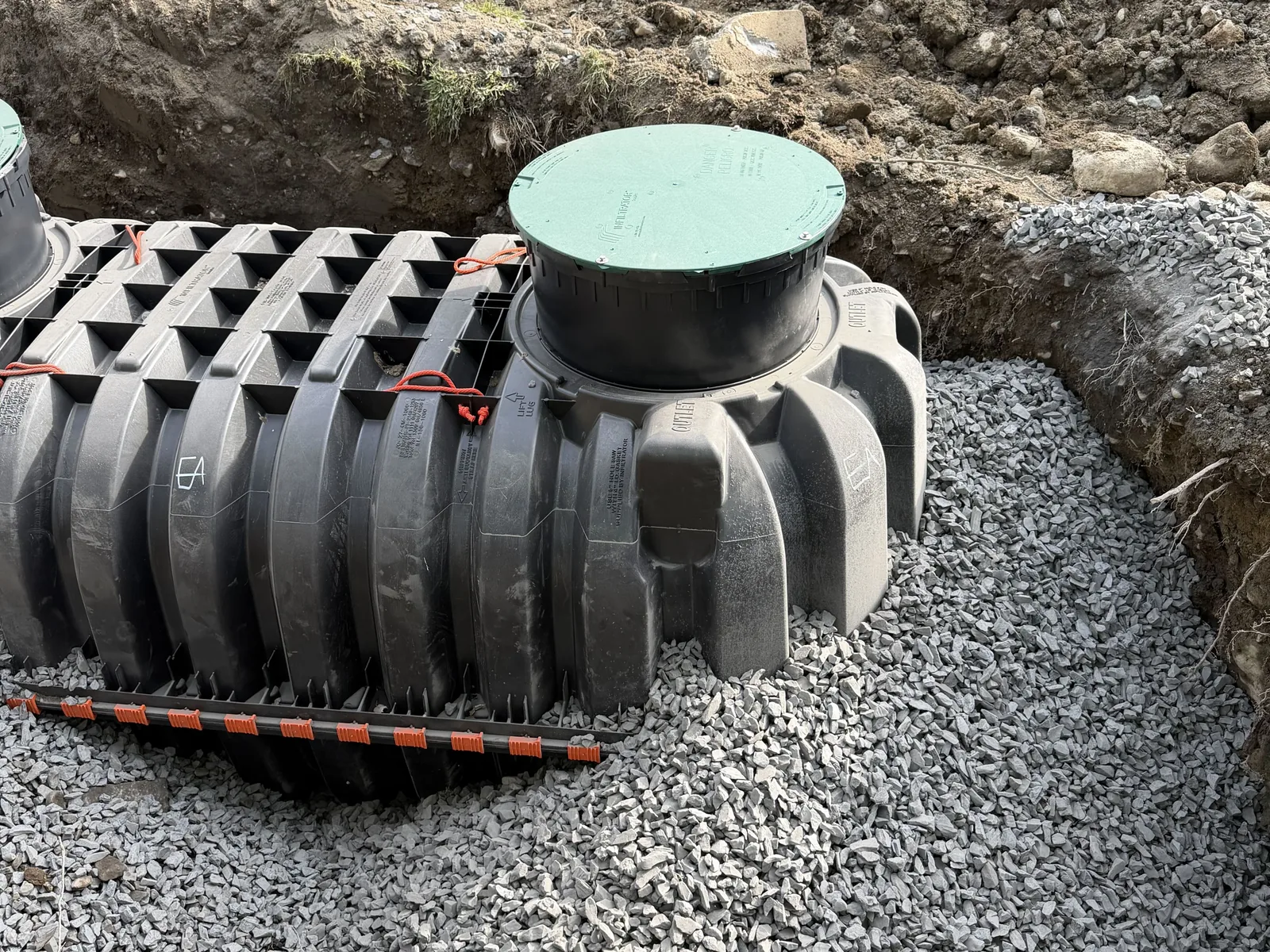
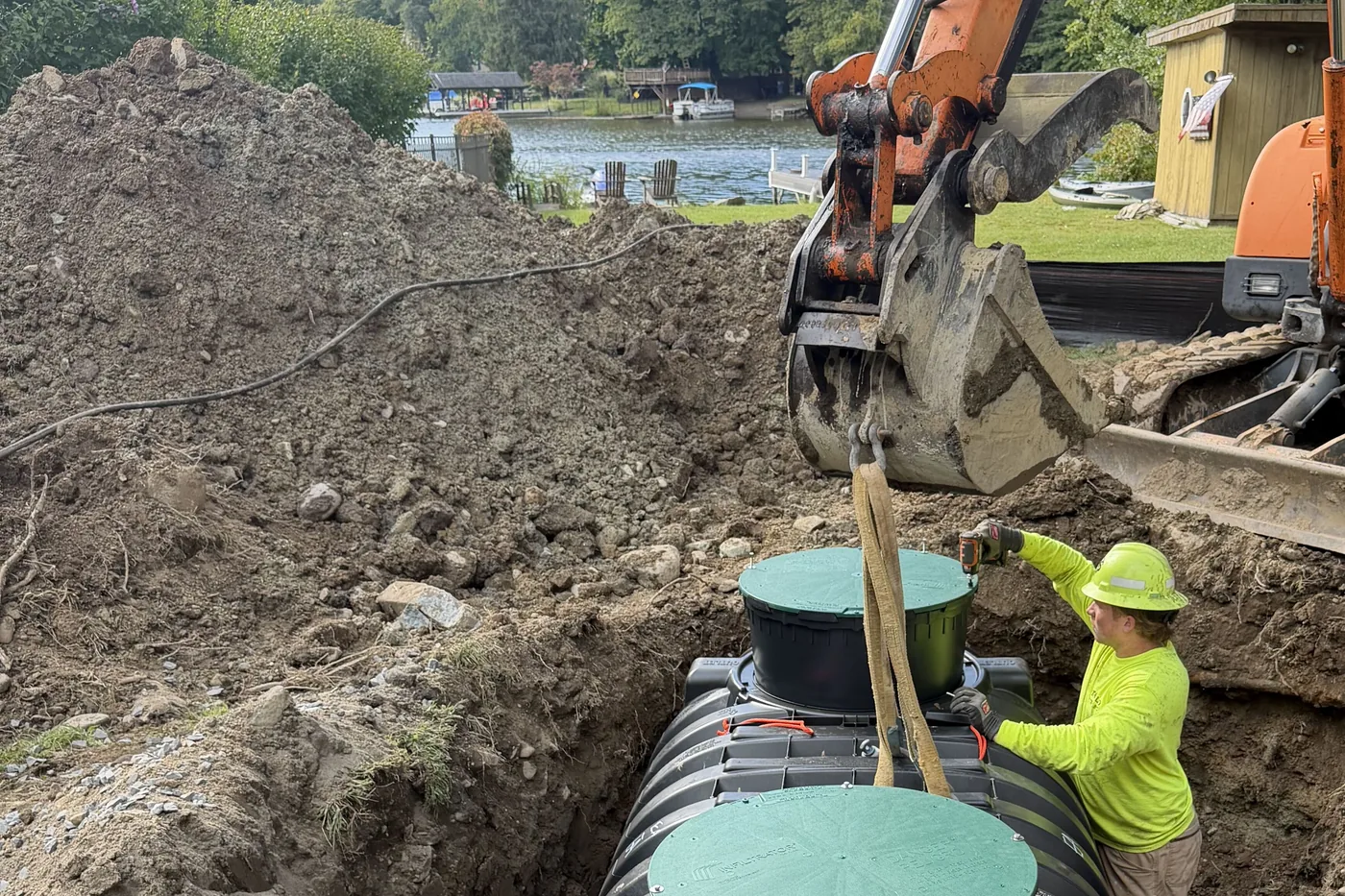
On the Greenwood Lake job the treatment tank went in behind the house, set on a bed of crushed stone, with two risers brought up to grade. The photos on this page are from that install. Lake lots like that one are where these units earn their place, because the lots are small and close to the water.
An aerobic unit needs service on a schedule, which a plain septic tank does not. The manufacturer's schedule for these units is a service visit every six months for the first two years, then once a year, by a service provider trained on the unit. The tank still gets pumped when the sludge builds up. Keep the aerator powered, and treat the alarm as a service call.
Free, no-obligation estimates across the Pennsylvania, New Jersey and New York tri-state area.
(973) 552-8580From the first call or text to the final grading, here is how it goes.
Call or text (973) 552-8580 and tell us about the property. New builds, empty lots and failing systems all start here.
We come out and look at the property, the soil and where a system can fit. Estimates are free.
We dig the soil test pits. The township sewage enforcement officer runs the probes and the percolation tests, and approves the design. In New Jersey and New York, the county health department issues the permit.
Once the permit is issued, we set the tank and run the lines to the distribution box. Then we build the absorption area to the approved design. Conventional in-ground beds and elevated sand mounds are both common on lots around here.
The system gets inspected before anything is covered. In Pennsylvania the township sewage enforcement officer does that inspection. Then we backfill, grade the ground back out and clean up the site.
Common questions about aerobic systems across the Pennsylvania, New Jersey and New York tri-state area. If yours is not here, call or text and ask.
When the absorption area stops taking water and the tank is worn out, the whole system gets replaced. We dig the test pits, then build the new system to the approved design.
Learn More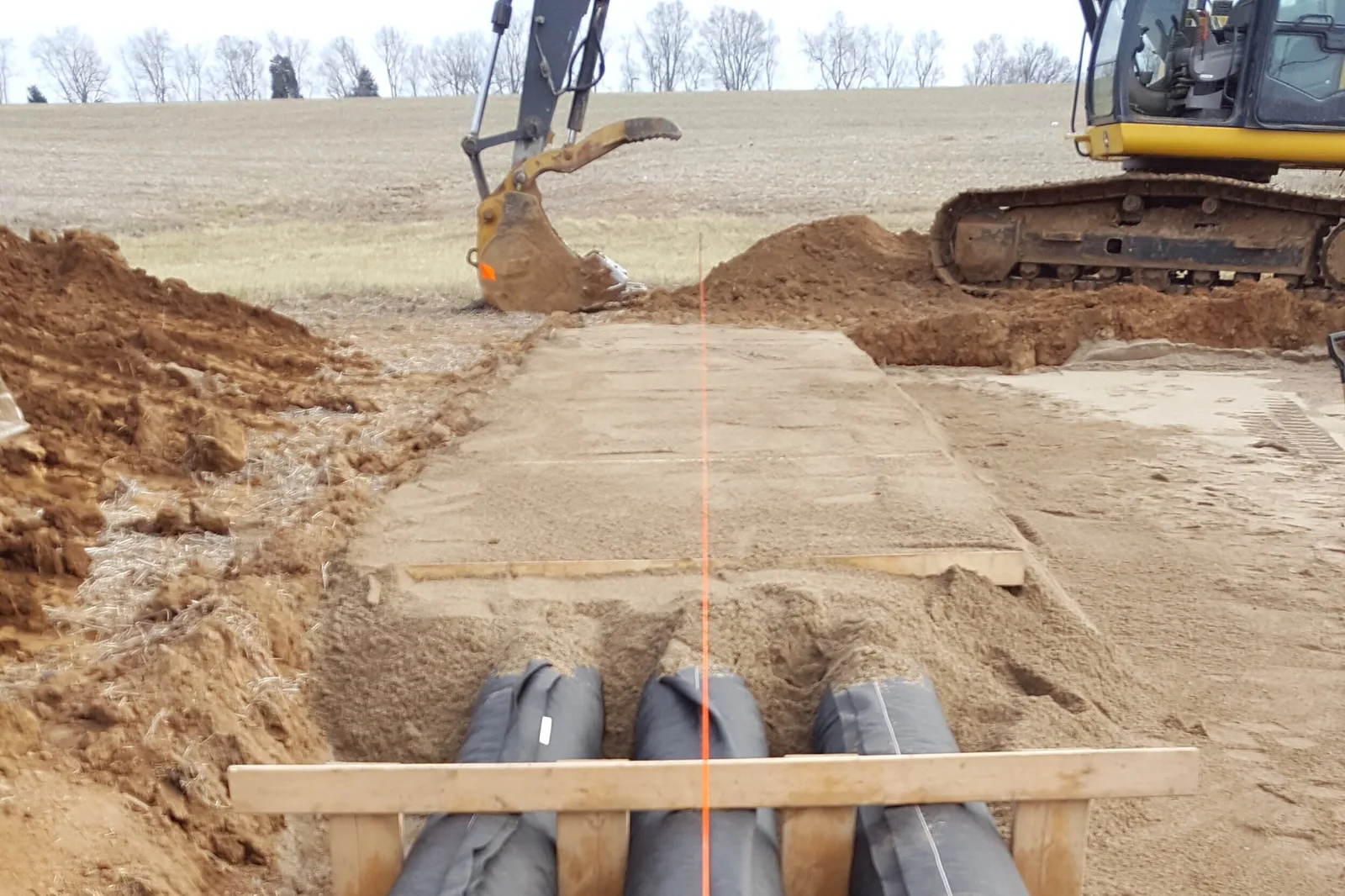
We install sand mound septic systems on lots where the soil testing calls for one. That covers new homes and full replacements where an older system has failed.
Learn More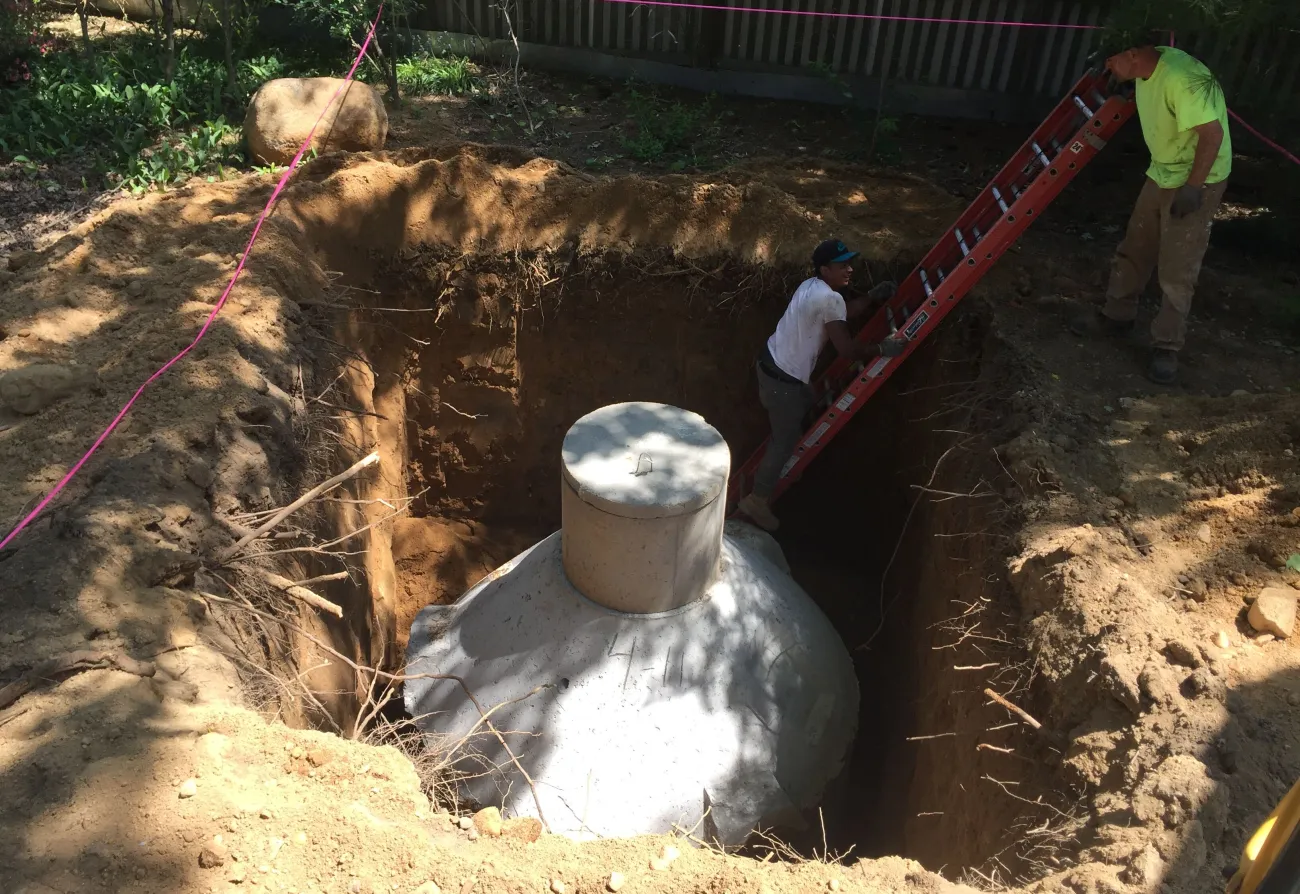
Backups, wet ground over the drainfield and sewage odors mean a part of the system has failed. We dig it up, find the cause and repair or replace what quit working.
Learn MoreSawkill Environmental is licensed and insured, with Pennsylvania Home Improvement Contractor registration PA HIC #PA225040. That number is public, and you can look it up before you hire anyone.
We run our own excavators and equipment. That keeps the test pits, the install and the final grading on one schedule.
We work from Milford out about 25 miles. That covers Pike and Wayne counties in Pennsylvania, Sussex in New Jersey, and Orange and Sullivan in New York.
Estimates are free. We come out, look at the property and tell you what the job needs. Call or text (973) 552-8580.
Real reviews from real septic and excavation jobs on Google.
Great Service and workmanship I would use nobody else to service my grease and septic tanks
Top Notch & Very professional,showed up when was suppose to & it came out better then I could ever imagine… calling them anytime I need there services done
Returned phone calls immediately. Showed up when they said they would… very nice to deal with .. Excellent work
Aerobic septic system cost in Pennsylvania: national price ranges, why aerobic units cost more than a conventional system, and the yearly cost to run one.
Read more →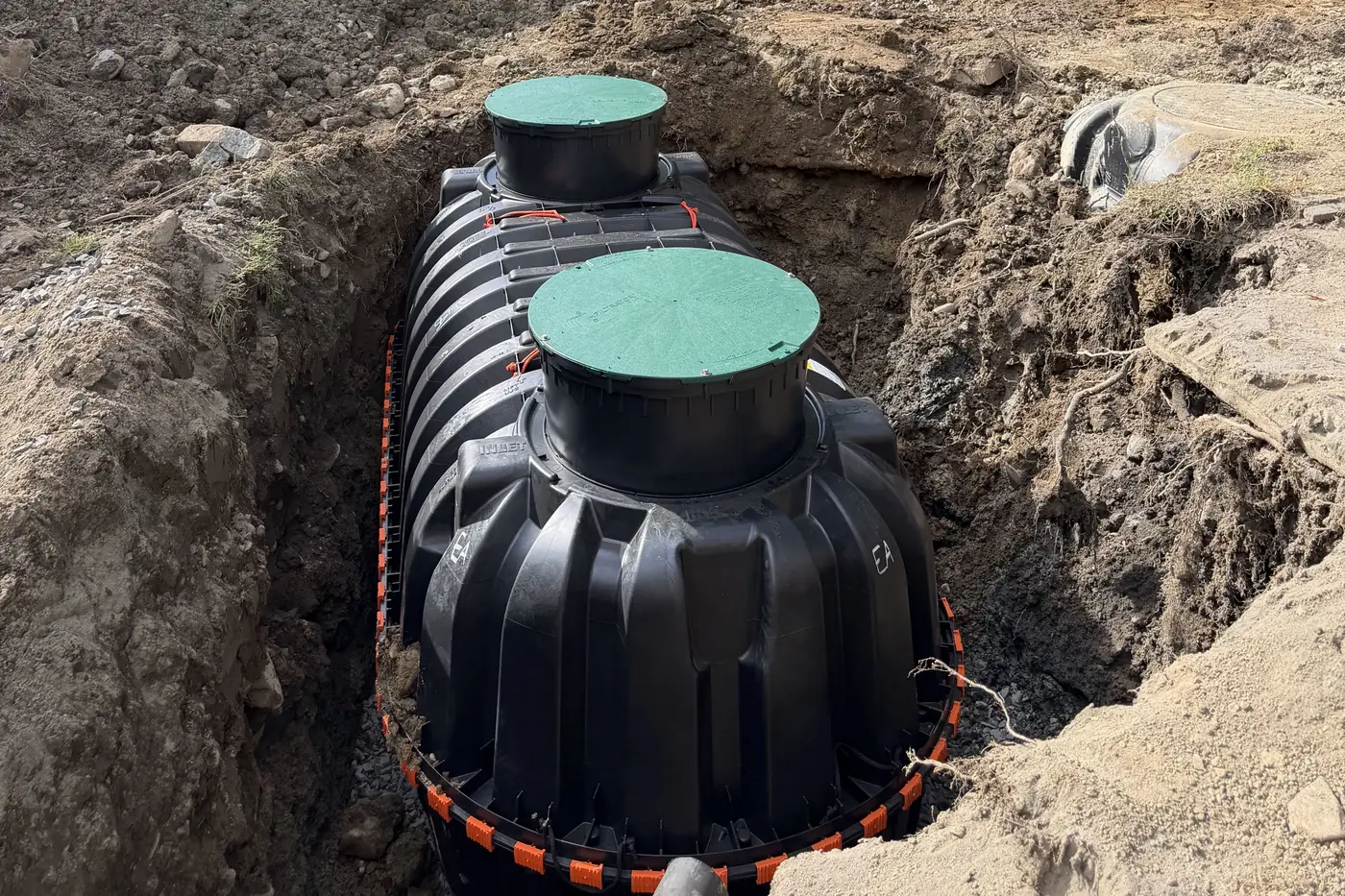
Concrete vs plastic septic tank in Pennsylvania: what the state code requires, how rock and groundwater decide it, and national tank price ranges.
Read more →
New septic system cost in Pennsylvania: conventional in-ground versus sand mound ranges for the Poconos, plus soil testing and permit costs.
Read more →Tell us about the property and what you need done, and we will come back with a free estimate. You can also call or text (973) 552-8580.
Tell us about the job. We will get right back to you.